
Cover Photo by  Diego Sulivan
This post was brought to you by Robin Hall, the author of Behind the Score. Discover the Harmony Secrets of Modern Film and Video Games.
Master the art of film music composition with everything you need to know about creating impactful scores. Complete Collection Study Pack is currently on sale for 67% off:

As a composer, there is nothing more important and fulfilling than hearing your compositions come to life as you intended. Unfortunately, finding opportunities to have your music performed can be challenging, especially if you’re writing orchestral music.
If you’re a young composer, you’ve likely grown up using technology as an extension of your instrumental palette. For many older composers, however, live performance was the only way to truly hear their music.
 Cedrik Malab
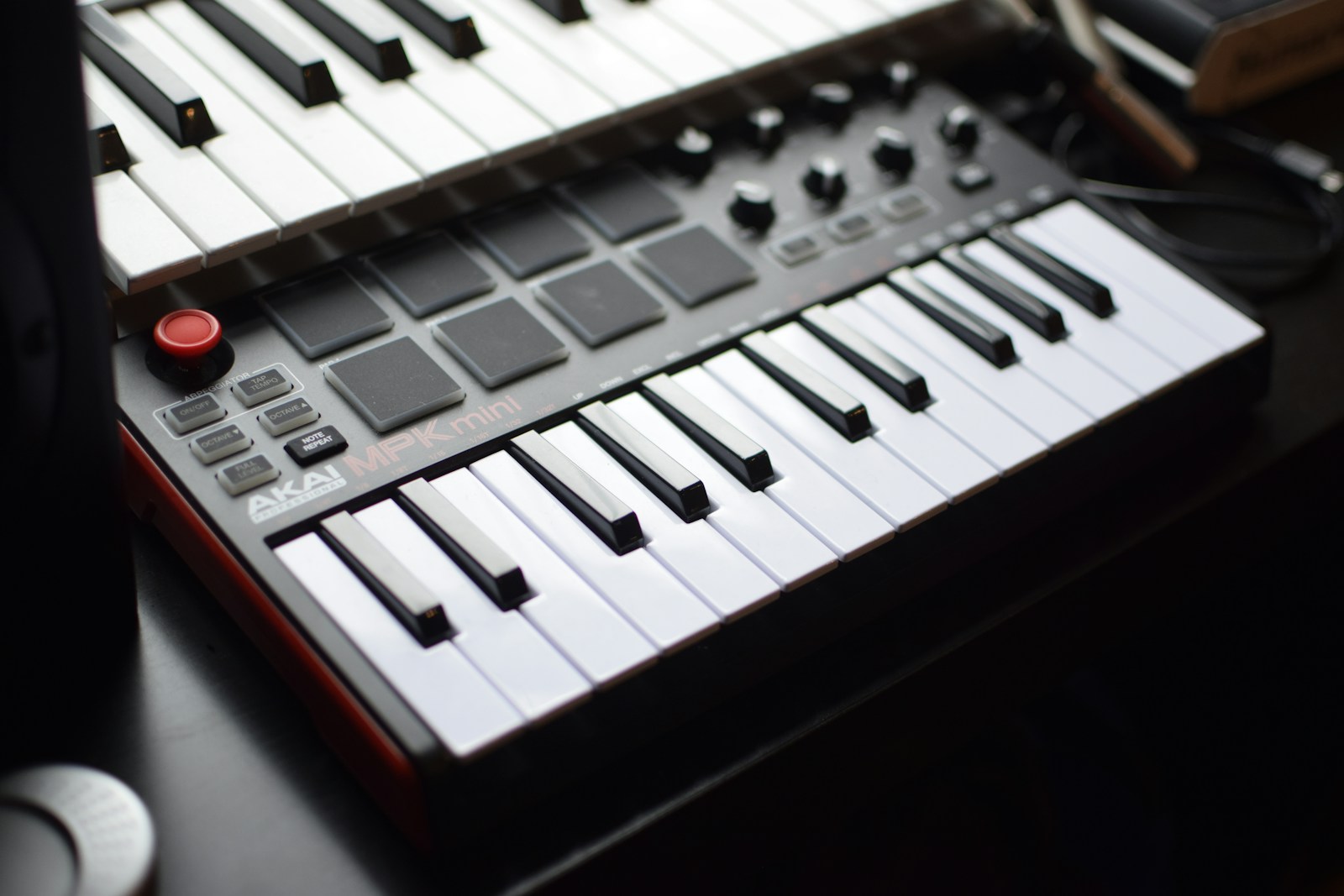
These days, with the help of music technology, it has become a necessity for film composers to sequence entire projects and then record live players later to fit within a budget. Many major film scores, including the The Darknight Trilogy, combine large live orchestral tracks with MIDI instruments to create the epic sound that has become so popular in film composition.
(Most Hollywood films still use live players and book large orchestral sessions. However, as budgets shrink, composers are sometimes forced to rely heavily on samples to create their scores.)
Learning from live performances is a crucial milestone for any composer. Being present in a room with musicians playing your music is invaluable because, after all, who knows more about their instrument than the players themselves? I’ve learned countless lessons from musicians that have improved my ability to write for them, streamlined my recording sessions, and ultimately saved time and money.
“As a composer, there is nothing more important and fulfilling than hearing your compositions come to life as you intended.”
Here are a few tips that have worked for me and may help you:
- Join online forums for musicians.
Eagle-eyed composers can find opportunities in ensembles seeking new works to perform. - Enter composition competitions.
Hundreds of composition competitions offer winners live readings of their music. Winning can also lead to other opportunities, such as commissioned work. - Approach local churches.
If you write choral or chamber music, smaller churches are often open to performing new compositions and can be a great resource for musicians. - Contact schools, colleges, and universities.
Many educational institutions have music ensembles—whether a string orchestra or a jazz band. They are often receptive to adding new pieces to their repertoire. - Organize sessions yourself.
I’ve personally found and hired musicians, scheduled rehearsals, and arranged spaces. While this “old-fashioned” approach requires effort, it’s still the best way to learn skills like session management, budgeting, time management, and people skills.
Although this process takes significant time and effort, it gives you control over who your players are, where and when you rehearse, and the artistic direction of your music—privileges that institutions may not always provide.
Finally, always remember that professional players expect to be paid. Happy players are good players, and if they respect you, they’ll be eager to work with you again.
This post was brought to you in collaboration with our partner site Behind the Score. Discover the Harmony Secrets of Modern Film and Video Games.
Master the art of film music composition with everything you need to know about creating impactful scores. Complete Collection Study Pack is currently on sale for 67% off: