
Article by FMT / 5-minute read.
Master the art of film/video game music composition with everything you need to know about creating impactful scores. Complete Collection Study Pack (Enter 25FMT at the checkout for instant 25% off)

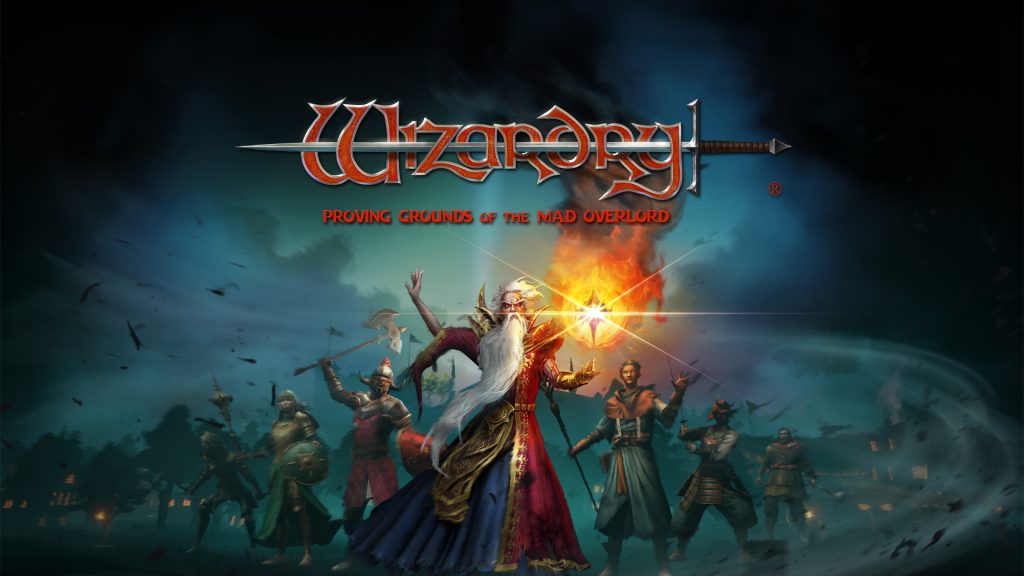
In the shadowy corridors of dungeon-crawling RPGs, few soundtracks have achieved the critical acclaim and emotional resonance of Winifred Phillips’ score for the 2024 remake of Wizardry: Proving Grounds of the Mad Overlord. This Grammy Award-winning composition represents not only a masterful adaptation of a gaming classic but also a testament to Phillips’ extraordinary range as one of the industry’s most versatile composers. The Grammy-winning score emerged from Digital Eclipse’s ambitious remake of the 1981 original, transforming what was once a text-based dungeon crawler into a fully realized 3D experience. Phillips’ musical interpretation captures both the nostalgic essence of the original and the enhanced production values of modern gaming, creating a soundscape that honors the past while embracing contemporary orchestral sensibilities.
The soundtrack has garnered numerous accolades, including the Telly Award for Best Music for a Game, two Gold NYX Game Awards for Best Game Soundtrack and Best Music for a PC Game, and a Global Music Award for Best Original Score. These recognitions underscore the exceptional quality of Phillips’ work and its significance within the broader landscape of video game music.
The Composer Behind the Magic
Winifred Phillips stands as a Grammy Award-winning composer whose credits span eight of gaming’s biggest franchises: Assassin’s Creed, God of War, Jurassic World, Lineage, LittleBigPlanet, The Sims, Total War, and Wizardry. Her career trajectory reveals a composer capable of dramatic stylistic shifts while maintaining a distinctive voice across diverse genres and platforms.
Phillips entered the video game industry in 2004 with her contribution to God of War, launching a career that would eventually encompass more than 20 video game projects. Her subsequent work on franchises ranging from the whimsical LittleBigPlanet series to the intense Assassin’s Creed III: Liberation demonstrates her remarkable adaptability and compositional range.
Phillips has described how her diverse portfolio allows her to “swing back and forth and do very divergent things,” creating a career where she never feels confined to a single stylistic box. This versatility proves particularly valuable in her approach to Wizardry, where she needed to balance the game’s historical significance with contemporary musical expectations.
The composer’s academic foundation and professional experience have equipped her with the technical skills and artistic vision necessary to tackle the unique challenges presented by the Wizardry remake. Her previous work with both intimate chamber pieces and sweeping orchestral arrangements provided the perfect background for a project that required both atmospheric subtlety and epic grandeur.

Musical Architecture and Design Philosophy
Phillips’ approach to the Wizardry score demonstrates her understanding of how music functions within the context of dungeon-crawling RPGs. The composer created a musical language that supports extended gameplay sessions while maintaining interest and emotional engagement throughout the player’s journey into the depths of the mad overlord’s domain.
The score’s architecture reflects the game’s structure, with distinct musical themes for different areas, encounters, and narrative moments. Phillips employed a layered compositional approach, allowing musical elements to build and recede based on gameplay circumstances. This dynamic scoring technique ensures that the music remains an active participant in the player’s experience rather than passive background accompaniment.
The orchestral palette chosen by Phillips strikes a balance between traditional fantasy instrumentation and more unconventional timbres that reflect the game’s darker, more mysterious elements. Her use of strings provides emotional continuity, while brass sections punctuate moments of triumph and discovery. Woodwinds add atmospheric texture, and percussion drives the rhythm of combat and exploration.
Musical Examples from Wizardry: Proving Grounds of the Mad Overlord
Dragon Slayer
In the game: The opening theme establishes the epic scope and historical weight of the Wizardry experience. Phillips’ orchestral arrangement immediately signals to players that they are embarking on a significant adventure, one that connects them to decades of RPG history while promising new discoveries and challenges.
Trivia: The composition incorporates elements that subtly reference the original game’s 8-bit aesthetic while fully embracing modern orchestral possibilities. Phillips uses brass fanfares to announce the beginning of the adventure, supported by string sections that provide harmonic richness unavailable to the original version.
The Maze
In the game: This atmospheric piece accompanies players during their initial exploration of the dungeon’s upper levels. The music creates a sense of mystery and anticipation while avoiding the oppressive darkness that characterizes deeper levels. Phillips balances curiosity with caution, encouraging exploration while hinting at hidden dangers.
Trivia: The composer employs unusual instrumental combinations to create the piece’s distinctive texture. Muted strings work alongside woodwind solos to create an intimate sound world that can accommodate both solo exploration and party-based gameplay without overwhelming the player’s decision-making process.
Dungeon Bestiary
In the game: Phillips’ battle music energizes combat encounters without becoming overly aggressive or distracting. The composition needs to maintain interest during potentially lengthy tactical battles while providing enough rhythmic drive to support the game’s turn-based combat system.
Trivia: The piece demonstrates Phillips’ understanding of interactive music design. Rather than a single, looped composition, the battle theme incorporates multiple sections that can be triggered based on combat developments, creating a more dynamic and responsive musical experience.
Heroes in Training
In the game: This theme accompanies the crucial character creation process, where players make decisions that will define their entire Wizardry experience. Phillips’ music strikes a balance between anticipation and contemplation, encouraging thoughtful consideration while maintaining forward momentum.
Trivia: The composition incorporates musical elements that will later appear in character-specific themes, creating subconscious connections between the creation process and subsequent gameplay. This subtle thematic seeding demonstrates Phillips’ sophisticated approach to musical continuity.


Secret Doors
In the game: Phillips created this celebratory piece to accompany successful treasure discoveries and significant achievements. The music provides appropriate reward for player accomplishment while avoiding excessive length that might interrupt gameplay flow.
Trivia: The composer uses ascending melodic lines and major key harmonies to create an immediate sense of triumph and satisfaction. The orchestration features bright brass and shimmering strings that create a sense of magical discovery appropriate to the fantasy setting.
Wrath of the Wizard
In the game: The climactic boss battles receive Phillips’ most dramatic musical treatment. These compositions need to sustain tension and excitement during potentially lengthy encounters while providing enough musical variety to avoid repetitive tedium.
Trivia: Phillips employs advanced orchestration techniques to create maximum impact with her boss themes. Low brass and percussion create a foundation of power and menace, while upper orchestral voices add complexity and unpredictability that mirrors the challenging nature of these encounters.
Temple of Cant
In the game: This gentle, restorative theme accompanies healing and recovery sequences. Phillips creates a musical oasis that provides emotional relief from the tension of dungeon exploration while maintaining the score’s overall aesthetic consistency.
Trivia: The composer uses harp glissandos and sustained string harmonies to create an ethereal atmosphere that suggests magical restoration. The piece’s harmonic progressions move from tension to resolution, musically reinforcing the healing process taking place in the game.
Murphy’s Ghost
In the game: Perhaps one of Phillips’ most emotionally complex compositions, this piece addresses the serious consequences of character death while maintaining hope for resurrection. The music acknowledges loss while suggesting the possibility of redemption and return.
Trivia: The composition employs techniques borrowed from requiem traditions while avoiding excessive darkness that might discourage continued play. Phillips balances solemnity with hope, creating a musical experience that treats character death with appropriate gravity without becoming defeating.
Masters of Wizardry
In the game: The final victory theme provides appropriate celebration for players who complete the challenging Wizardry experience. Phillips created a composition that feels both earned and satisfying, providing musical closure to the epic journey.
Trivia: The piece incorporates thematic elements from throughout the score, creating a sense of musical unity and completion. The orchestration builds from intimate beginnings to full orchestral celebration, mirroring the player’s journey from cautious exploration to triumphant victory.
Adventurer’s Inn
In the game: This subtle, atmospheric piece provides musical accompaniment during extended exploration sequences. Phillips created music that supports concentration and decision-making while maintaining the dungeon’s mysterious atmosphere.
Trivia: The composer uses minimalist techniques and sparse orchestration to create a sense of space and isolation appropriate to dungeon exploration. The piece’s harmonic ambiguity allows it to transition smoothly into more specific musical cues as gameplay situations develop.

Thematic Development and Motific Structure
The Wizardry score demonstrates Phillips’ sophisticated approach to thematic development. Rather than relying on simple, repetitive melodies, she created a network of interconnected motifs that evolve and transform throughout the player’s journey. These musical seeds grow and develop in response to narrative progression and character development.
Character themes receive particular attention in Phillips’ score, with distinct musical personalities for different party members and encountered NPCs. These themes interact and combine during party-based encounters, creating a musical representation of the collaborative gameplay that defines the Wizardry experience.
The composer’s treatment of the game’s central conflict between order and chaos manifests in the score’s harmonic structure. Consonant, stable harmonies represent safety and familiar territory, while dissonant, unstable passages accompany encounters with the unknown and dangerous. This musical duality reinforces the game’s central tension and provides players with subconscious cues about their current situation.
Critical Reception and Industry Impact
The Grammy Award recognition for Phillips’ Wizardry score represents a significant achievement in the ‘Best Score Soundtrack for Video Games and Other Interactive Media’ category, highlighting the growing recognition of video game music as a legitimate artistic medium. This recognition validates not only Phillips’ individual achievement but also the broader artistic value of video game composition.
Industry professionals have praised Phillips’ ability to create music that serves the game’s functional needs while maintaining standalone artistic merit. The score’s success in multiple award categories demonstrates its excellence across different evaluation criteria, from technical execution to artistic vision.
The Wizardry score’s impact extends beyond its immediate context, serving as a model for how classic game remakes can honor their origins while embracing contemporary production values. Phillips’ approach provides a template for future projects seeking to balance nostalgia with innovation.
Master the art of film/video game music composition with everything you need to know about creating impactful scores. Complete Collection Study Pack (Enter 25FMT at the checkout for instant 25% off)