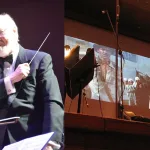

What Does a Film Music Composer Actually Do?
Becoming a film music composer is a dream for many music lovers. It’s a career that combines creativity, storytelling, and technical skill. But what does a composer really do in the world of film?
At its core, a film composer writes original music that supports a movie, TV show, or documentary. This isn’t just background noise—good music helps set the mood, build emotion, and even highlight important plot moments. Ever felt chills from a scene just because of the music? That’s the composer’s magic at work.
Film composers typically work closely with:
- Directors – to understand the vision of the film
- Editors – to time music with cuts and scenes
- Sound engineers – to get that perfect blend of audio and atmosphere
Whether it’s suspense in a horror movie or romantic swells in a love story, the right music can transform a good scene into a great one. And as the demand for content grows—thanks to streaming platforms—there’s more opportunity than ever for new composers to break into the industry.
Key Skills Every Aspiring Film Composer Needs
So, what does it take to succeed as a film music composer? Beyond talent, there are several crucial skills you’ll have to develop.
1. Strong Musical Foundation
First and foremost, you need to be good at creating music. This means understanding theory, melody, harmony, arrangement, and orchestration. While you don’t necessarily need to write classical symphonies, you do need control over your craft.
Many composers play at least one instrument—often piano or guitar—to aid in their composition process. Also, knowing how to read, write, and arrange sheet music will help when working with live musicians.
2. Mastery of Music Software
In today’s industry, tech matters. Most modern composers rely on Digital Audio Workstations (DAWs) and Music Production Software like Logic Pro, Cubase, or Ableton Live.
You’ll also want to explore virtual instruments and sample libraries—these simulate orchestral sounds without hiring an entire orchestra. Top composers know how to make digital compositions sound human and emotional, even when created entirely on a laptop.
3. Storytelling through Sound
You’re not just writing music—you’re supporting a visual story. This means you must understand narrative pacing, character development, and emotional arcs.
Ask yourself: “What does this character feel right now?” “How can I reflect that with music?” Knowing how to build tension, release it, and move the audience emotionally is a game-changer.
4. Communication & Collaboration
This job isn’t solo. You’ll often be working under a director or producer who has a vision of how the music should feel. Being able to listen to feedback, adjust your work, and bring ideas to life is essential.
Think of yourself as part of a team aiming to enhance the same final product—a powerful, visually-driven story.
Steps to Start Your Career as a Film Composer
Dream big, but start small. Here’s how you can begin building your film music career, step-by-step.
1. Get Educated (Formally or Informally)
There’s no one way to learn composing. Some people go the formal route—studying at music schools like Berklee or USC. Others are self-taught, learning through free resources, YouTube tutorials, or online platforms like MasterClass.
Whichever path you choose, consistency is key. Learn something new every day—whether about scoring, software, or structure.
2. Build a Killer Portfolio
Before anyone hires you, they’ll want to hear what you can do. So start compiling a demo reel showcasing your best work.
Don’t have any paid gigs yet? No problem. Compose music to existing scenes from movies or short films. If possible, collaborate with indie filmmakers who are looking for music (many are!).
Pro Tip: Aim to include different genres and moods in your reel—this shows your range and adaptability.
3. Network Like a Pro
Movie sets are built on relationships. The more people you know in the industry—directors, editors, producers—the more chances you have to land work.
Attend film festivals, music and film meetups, and online communities. Engage with others, share your work, and be open to feedback.
4. Start Small, Stay Consistent
At first, you might be scoring student films or low-budget indie projects. That’s totally fine. These early gigs are where you learn on the job, make connections, and build your name.
As long as each project helps you grow and adds to your portfolio, consider it a win.
Tips for Staying Successful in a Competitive Industry
Breaking into the world of film scoring is one thing—staying in it is another. Here’s how to keep growing and thriving in this creative but competitive field.
1. Keep Evolving
Musical trends change. Technology improves. The best composers constantly adapt by learning new software, tools, and styles.
Maybe one year, orchestral compositions are hot; the next, minimalist electronic music takes center stage. Be ready to pivot and explore.
2. Listen to the Greats
Study the music of successful composers like Hans Zimmer, John Williams, and Hildur Guðnadóttir. Their scores aren’t just catchy—they’re carefully crafted to support story and emotion.
Try analyzing their compositions: How do they build suspense? When is silence more powerful than sound? The more you decode their work, the better you’ll become at your own.
3. Manage Your Time and Business
Let’s be honest: being a composer isn’t just about creating music—it’s also running a business.
You need to keep track of deadlines, invoices, contracts, and client communications. Invest in simple tools or apps that help you stay organized. Treat your freelance work like a legit business—because it is!
4. Stay Passionate
Finally, remember why you started. Music is personal. Telling stories through sound can be incredibly fulfilling—but it also takes persistence.
There will be setbacks and dry spells. But if you truly love composing, stay passionate, and keep pushing forward, opportunities will come your way.
Final Thoughts
Breaking into film composing might sound like a massive leap, but every journey begins with one small step—and some honest curiosity. Learn your craft, network genuinely, and don’t be afraid to try things out.
Being a film composer is about more than just writing cool tunes—it’s about understanding people, emotions, and stories. And with determination, humility, and a little help from today’s technology, there’s truly no limit to how far your music can go.
Feel inspired? Open that DAW and start composing your story—one note at a time.