
 Sandy Kawadka
What Is Surround Sound, and Why Does It Matter for Gamers?
If you’re someone who enjoys gaming, you already know how important sound is. Ever tried sneaking through a battlefield in Call of Duty or exploring dark caves in Minecraft without audio? You’d probably miss a lot—and might get ambushed too.
That’s where surround sound comes in. It turns your gaming experience from good… to completely immersive. But with terms like 5.1 and 7.1 being thrown around, you might be wondering: Which one is actually better for gaming?
Let’s simplify it. Surround sound systems like 5.1 and 7.1 refer to how many speakers and subwoofers are used to create a 360-degree audio experience around the listener. Think of it like wrapping yourself in a bubble of sound where you can hear footsteps behind you or a rocket flying overhead—exactly where and when they’re happening.
But before diving into the numbers, here’s a fun analogy: imagine 5.1 surround sound as a cozy theater experience and 7.1 as the IMAX of home audio setups.
Understanding the Basics: What’s the Difference Between 5.1 and 7.1?
At first glance, the difference between 5.1 and 7.1 might seem like it’s just about two extra speakers. But those extra channels can make a world of difference, especially in gaming.
Here’s a simple breakdown:
- 5.1 Surround Sound: 5 main audio channels (front left, front right, center, rear left, rear right) + 1 subwoofer (the .1)
- 7.1 Surround Sound: All of the above + 2 additional speakers (typically placed to the side or rear of the listener)
These extra speakers in a 7.1 system help create a more precise sound field. Imagine you’re being chased in a wide-open map in a game—being able to hear your enemy a fraction of a second sooner because of rear audio cues can make all the difference. In competitive gaming, that edge matters.
But keep in mind: more isn’t always better. Your room size and setup can impact how well a 7.1 system performs. If you’re gaming in a small or oddly shaped room, a 7.1 system may not deliver the full experience and could end up being overkill.
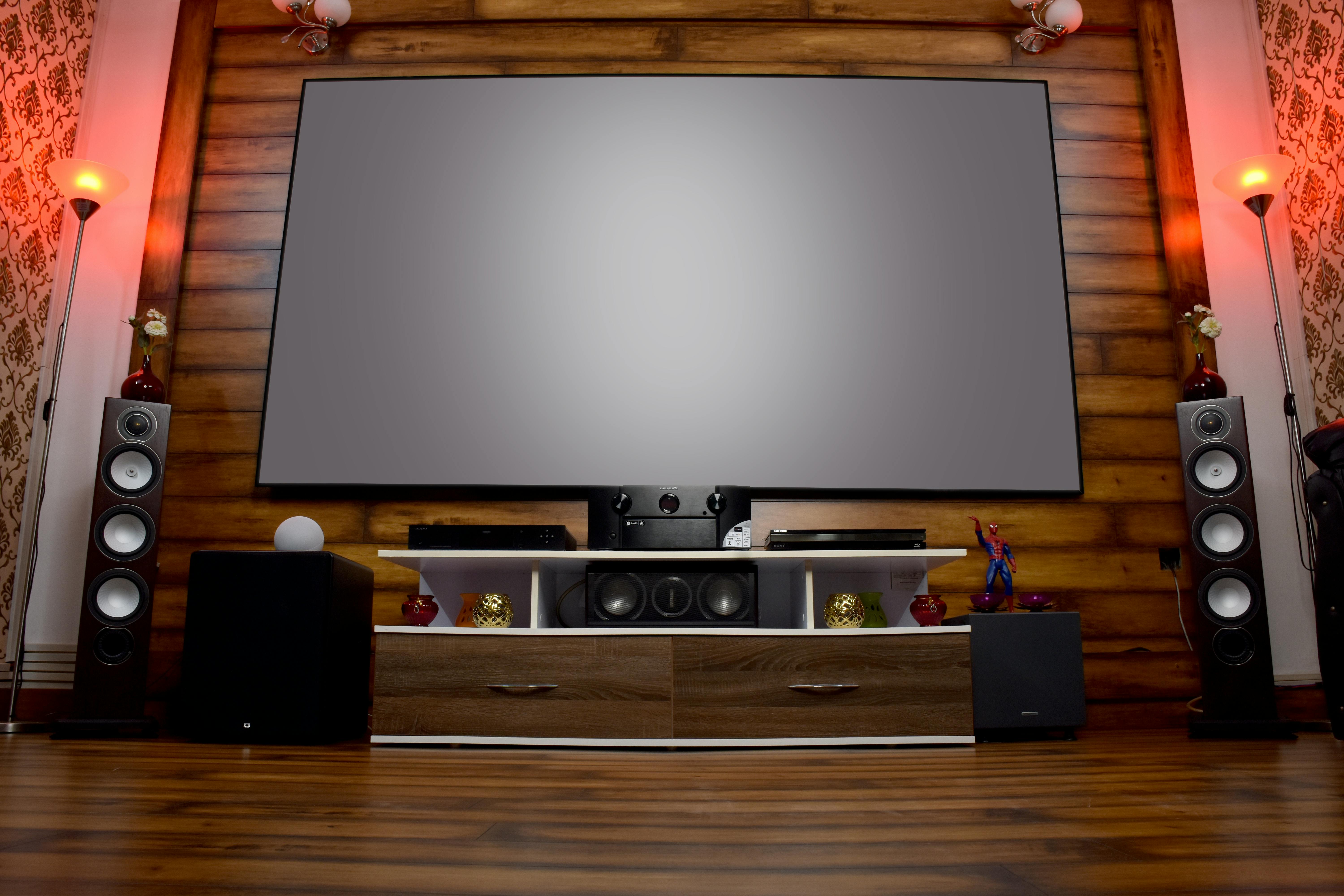
Photo courtesy of Pexels.com
Which One Is Better for Gaming?
Let’s break it down further by answering the big question: Is 5.1 or 7.1 better for gaming? The answer depends heavily on your setup, budget, and how deeply immersive you want your gaming experience to be.
When 5.1 Might Be the Better Choice:
- Smaller gaming space: A 5.1 setup fits nicely in smaller rooms and still provides excellent directional audio.
- Budget-friendly: It’s generally more affordable and easier to set up than a 7.1 system.
- Wide software support: Most games and consoles are still optimized for 5.1 surround audio.
When 7.1 Makes Sense:
- Larger gaming rooms: You’ll need more space to take advantage of the extra two speakers.
- You’re after cinematic-level immersion: If you treat your gaming area like a home theater, 7.1 is a big win.
- You game with high-end setups: PCs or consoles with powerful processing capabilities and high-quality sound cards can fully utilize 7.1.
Now, here’s an interesting twist—many gamers now use virtual surround sound via gaming headsets or software audio tuning like DTS or Dolby Atmos. These systems simulate 7.1 even when you only have stereo headphones. And they can be surprisingly good.
So, if you’re playing on consoles like the PlayStation 5 or Xbox Series X, you might already be getting a near-7.1 experience through compatible headsets—no speaker towers required.
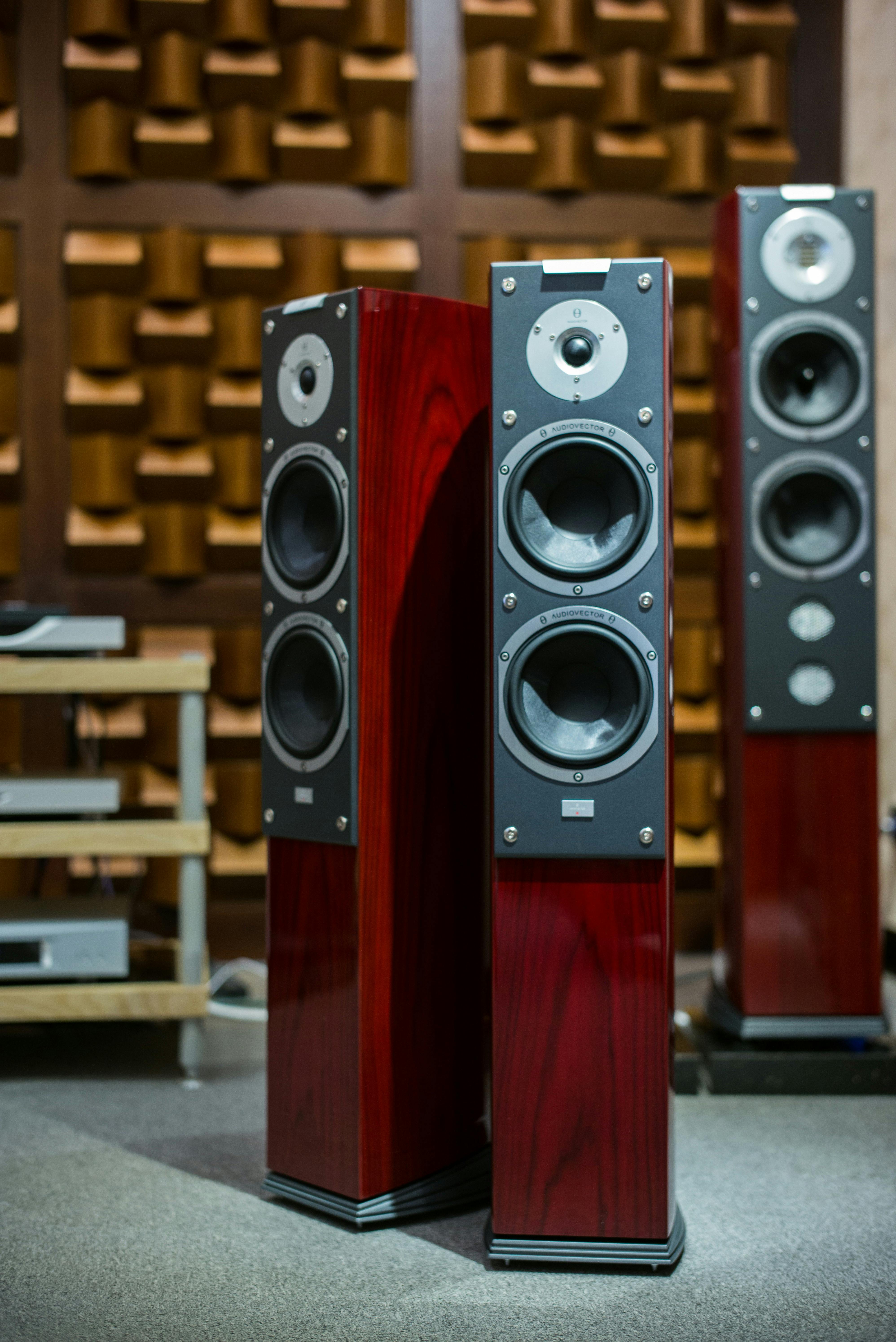
Photo courtesy of Pexels.com
Final Thoughts: Choose What Works Best for You
By now, you probably realize there’s no one-size-fits-all answer to the 5.1 vs. 7.1 debate. Instead, it’s all about matching the right sound system to your gaming style, space, and gear.
If you’re building a compact gaming setup or just getting started, 5.1 surround sound is an excellent, reliable choice. It’s cost-effective, works great with most modern games, and doesn’t require a mansion-sized room.
However, if you’re a diehard gamer building an elite-level battlestation—or someone who mixes gaming with movie nights—7.1 can really elevate your experience. The added depth and accuracy of rear audio channels can make games feel more alive and intense.
And don’t discount high-end gaming headsets with virtual surround. Some of them sound so real, you’d swear you had a full speaker setup.
Here’s a quick cheat sheet for decision-making:
- Casual gamer on a budget? Go 5.1 or a quality stereo headset.
- Hardcore gamer with a large room? Embrace 7.1 for full immersion.
- Mixed-use (games + movies)? 7.1 has the edge—but only if your room allows for it.
In the end, sound is a huge part of what makes gaming memorable. Whether you’re storming castles or racing exotic cars, the right audio setup can make you feel like you’re part of the action. And really, isn’t that what gaming’s all about?
Let us know in the comments—do you use 5.1 or 7.1 when gaming? Or do you rely on your trusty headset? We’d love to hear what works best for you!