What Makes Film Music So Powerful?
Have you ever watched a movie that gave you goosebumps, and realized it was the music that gave it that emotional punch? You’re not alone. Film music is a powerful storytelling tool—it paints emotions, builds suspense, and helps tell the story without a single word.
Composing for film is not just about writing music; it’s about crafting a cinematic experience. And whether you’re a seasoned musician or just starting out, understanding how to score a film can completely transform your creative journey.
So, what makes a movie score truly unforgettable? Think of iconic pieces like John Williams’ work in Star Wars or Hans Zimmer’s score for Inception. These soundtracks don’t just accompany the film—they ARE the film.
Before we break down practical tips on how to compose for film, let’s look at the role music plays in visual storytelling.
Music:
- Sets the mood: Happy, sad, suspenseful—it’s all in the composition.
- Strengthens emotion: It intensifies what the actors and script are already doing.
- Guides the story: Sometimes, the music tells us how to feel before anything even happens onscreen.
Just imagine a horror movie without the creepy background score. It would probably feel more like a documentary than a thriller! If you’re curious about composing your own soundtrack—don’t worry, we’ve got your back.

Getting Started with Film Composition
Okay, you’re excited—but how do you begin? Writing music for film is quite different from songwriting or composing for an album. It serves a story, follows visual cues, and often changes multiple times throughout a movie. Here’s how to dip your toes in.
1. Understand the Film First
Before you even touch your instrument or open your DAW, watch the film—more than once. Take notes. What are the emotional highs and lows? When do scenes change drastically? Pay attention to:
- Scene transitions
- Character development
- Tension and resolution points
As you’re watching, imagine what kind of music would match. Should it be soft and sparse or loud and punchy?
2. Create a Sonic Palette
Every film score needs its own voice. This is where you define what instruments and textures will shape your musical landscape. Do you want an orchestral feel like in The Lord of the Rings? Or maybe something synth-heavy like in Stranger Things?
You can build your palette using:
- Orchestral instruments: Strings, brass, woodwinds
- Synthesizers and drum machines: Great for modern and sci-fi vibes
- Field recordings: Natural soundscapes and environmental ambience
Choosing textures early helps keep your score consistent—and trust me, directors appreciate that cohesiveness more than you know.
3. Theme Is Everything
One of the most powerful tools in film scoring is the leitmotif—a recurring piece of music linked to a character, place, or idea. Think of the ominous two-note motif in Jaws. Simple, but unforgettable. Creating thematic identity can instantly connect the audience with your story.

Photo courtesy of Pexels.com
Tools of the Trade
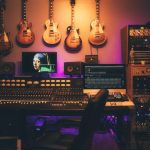
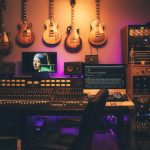
You don’t need a full-blown orchestra to score a film. In fact, many independent composers produce entire soundtracks in their home studios using virtual instruments, plugins, and MIDI keyboards.
Here are essential tools to help you on your journey:
Digital Audio Workstations (DAWs)
A DAW is your creative hub. It’s where you record, edit, mix, and sync your music to picture. Popular picks include:
- Pro Tools – Industry-standard for film post-production
- Logic Pro – Great for Apple users and scoring orchestral pieces
- Ableton Live – Ideal for electronic and experimental styles
Virtual Instruments & Sample Libraries
If you’re scoring an epic action film, but don’t have a 100-piece orchestra at home (who does?), VSTs are your best friend. Libraries like Spitfire Audio, Native Instruments, and Heavyocity offer professional-grade, realistic instrument samples.
Syncing to Picture
This is where the magic happens. Your music must line up perfectly with what’s happening on-screen. Use markers in your DAW to pinpoint:
- Scene starts and ends
- Action cues
- Dialog-free moments for musical introspection
Tender moment between two characters? Maybe bring in a soft piano or string swell right when they lock eyes. Timing is everything.

Photo courtesy of Pexels.com
Tips for Creating a Memorable Score
It’s not just about writing good music—it’s about writing the right music. Here are some extra nuggets of wisdom to keep in your back pocket.
1. Serve the Story, Not Your Ego
You might have written a beautiful melody, but if it doesn’t fit the scene, don’t force it. Music in film should always serve the narrative. Be flexible—adapt and adjust your composition to what the scene actually needs.
2. Silence Is Golden
Sometimes, the most powerful musical choice is no music at all. Strategic silence can make audiences lean in, feel tension, and even breathe a moment of relief. Use silence like another instrument in your arsenal.
3. Collaborate with the Director
At the end of the day, film is a team sport. The director sees the big picture, and you’re there to enhance it. Be open to feedback and stay aligned with their vision—this makes for a smooth and successful project.
4. Always Keep Learning
Whether you’re binge-watching masterclasses or breaking down scores from your favorite composers, growth is constant. Explore different genres. Study how music interacts with film in projects outside your comfort zone. It all adds to your toolkit.
Final Thoughts
Composing for film is a thrilling blend of creativity, emotion, and technical skill. It demands that you listen, observe, and write music that breathes life into stories. Whether you’re scoring a short indie film or dreaming of composing for Hollywood—every step is a leap toward mastering your craft.
Start small. Score a student film. Enter a film scoring challenge. Share your work online. You don’t have to wait for a big break to begin—you simply have to start.
And who knows? Your next melody could become the heartbeat of someone’s favorite film.