
Starting Your Journey as a Film Composer
So, you’re dreaming of becoming a film composer? That’s awesome. Scoring music for movies isn’t just about writing cool melodies—it’s about telling stories with sound. But before you dive into composing epic soundtracks like Hans Zimmer or John Williams, you’ll need the right gear.
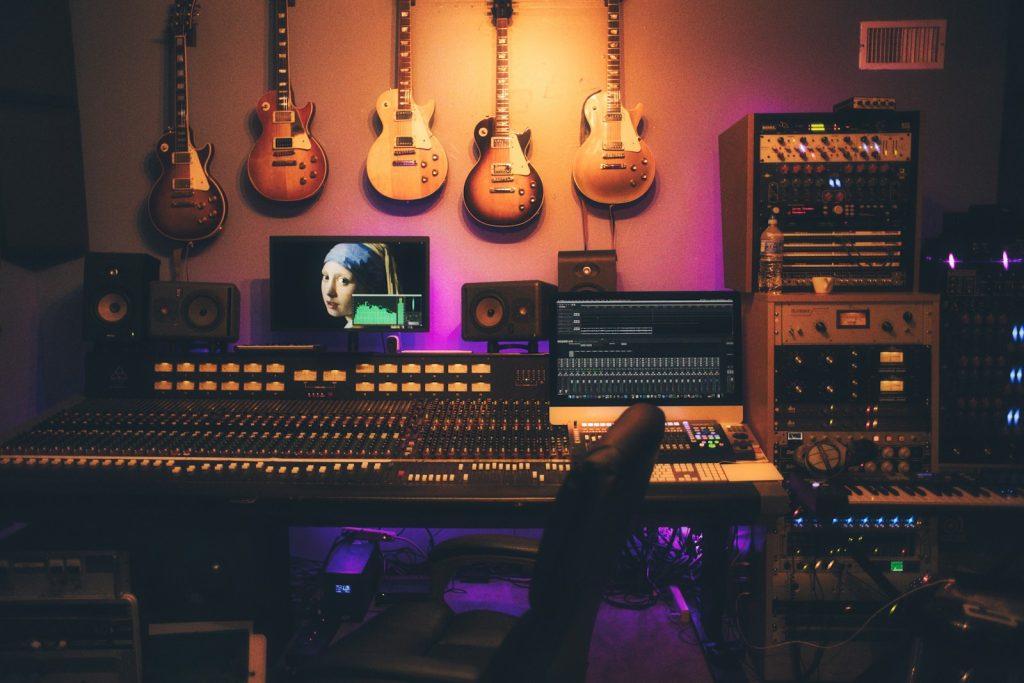
Setting up a home studio for film composition might sound intimidating, but don’t worry—it’s more achievable (and affordable) than you think. Whether you’re just starting out or shifting from traditional music production to film scoring, having the right tools will make your creative journey smoother.
In this guide, we’ll walk you through the essential gear every beginner film composer needs in their starter studio—no fluff, no confusion—just the tools that matter.
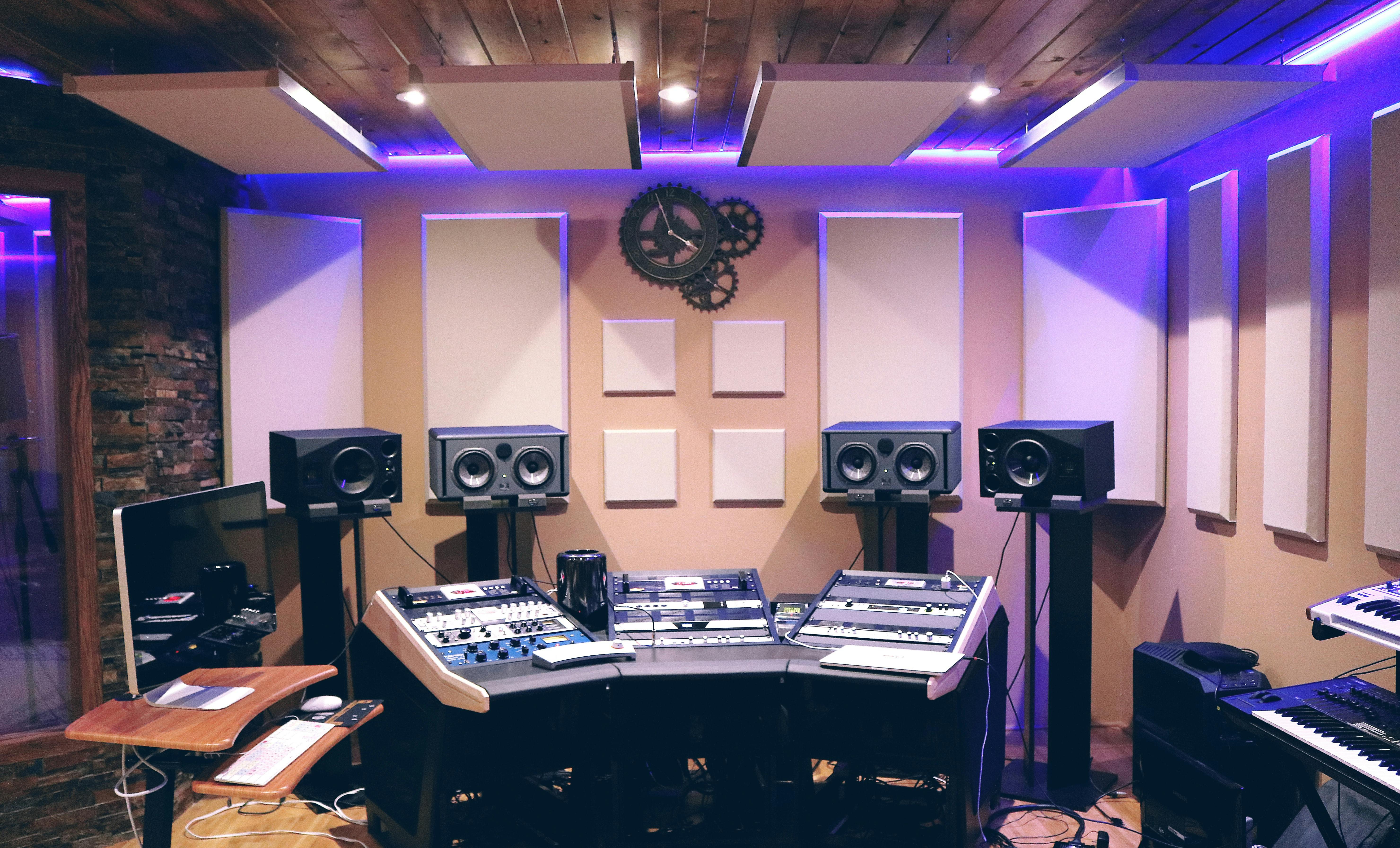
Computer and DAW: The Heart of Your Studio
Every film composer needs a solid computer. Why? Because you’re going to run heavy-duty software with dozens (if not hundreds) of audio tracks. Most modern laptops can handle basic sessions, but for serious work, you’ll want something with:
- At least 16GB RAM (32GB if you can swing it)
- Fast SSD storage for loading sample libraries quickly
- Multi-core processor (like Apple M1/M2 or Intel i7/i9)
Once you’ve got the right machine, pick your DAW (Digital Audio Workstation). Some popular options for film scoring include:
- Logic Pro X – widely used for its excellent MIDI programming and film scoring integration
- Pro Tools – industry standard in post-production workflows
- Reaper – affordable and highly customizable
Pro tip: Choose a DAW you’re comfortable with and stick to it. You don’t need five different programs—mastering one is more productive.
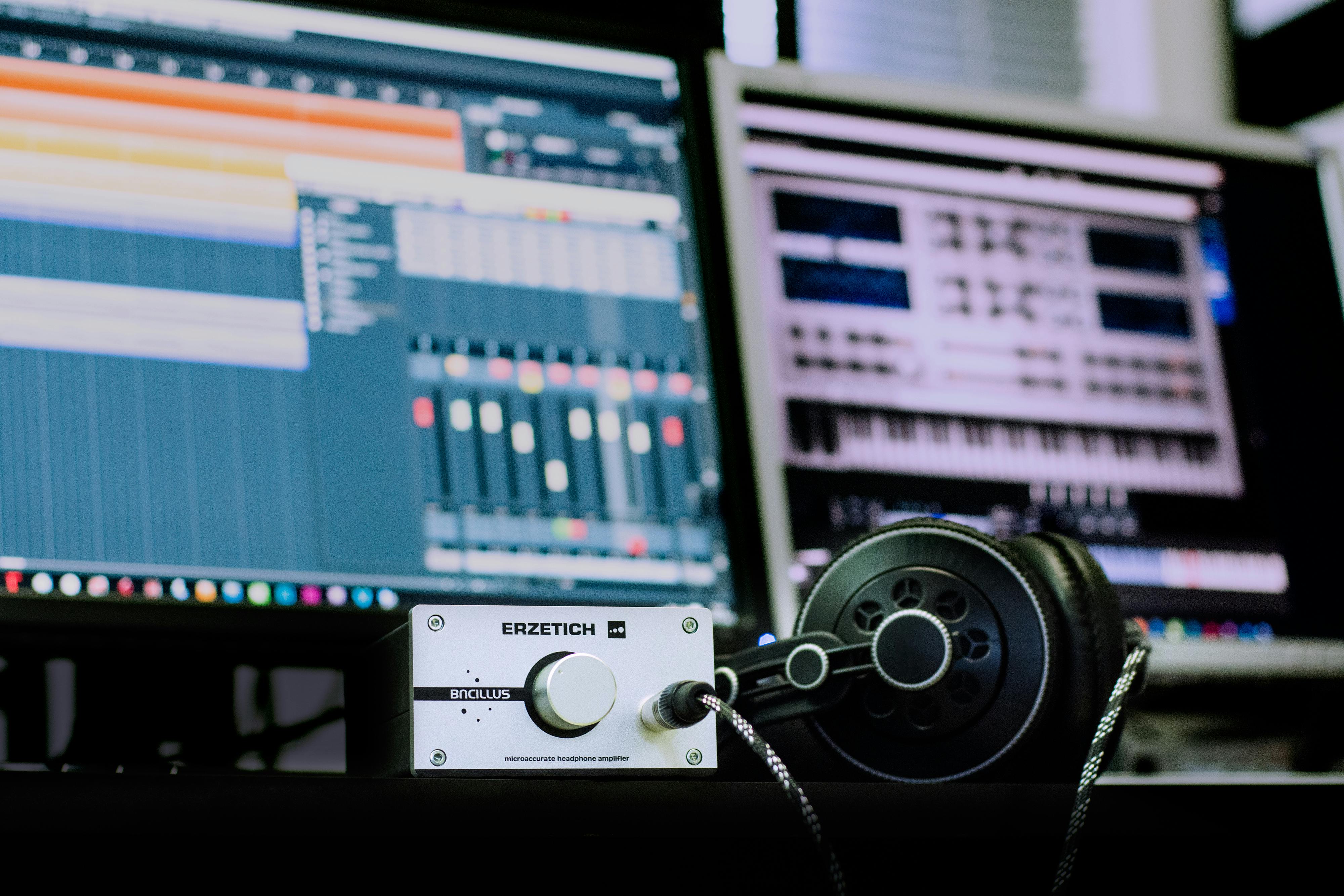
Photo courtesy of Pexels.com
Sounds and Instruments: Let the Orchestra In
Next comes the fun part—sound libraries. A film composer’s sonic palette matters just as much as their melodies. That’s where virtual instruments (VSTs) and sample libraries step in.
Here are must-haves for a beginner film composer:
- Native Instruments Komplete Start – completely free, and a great starting point for sounds like piano, strings, and percussion
- Spitfire Audio LABS – a goldmine of free, high-quality cinematic sounds
- ProjectSAM The Free Orchestra – try this for lush orchestral textures
When you’re ready to invest, look into bigger bundles like Komplete Standard or Spitfire’s BBC Symphony Orchestra.
Why this matters: Film scores use a wide range of sounds—from intimate piano themes to full-blown orchestral climaxes. With the right virtual instruments, you can mock up complete soundtracks without ever leaving your room.
Photo courtesy of Pexels.com
The Rest of Your Studio Setup
Even though most of your instruments live inside your computer, you still need a few key pieces of gear to complete your film scoring setup.
MIDI Controller
You can write music with a mouse and keyboard—but it’s slow and tedious. A MIDI keyboard speeds up the process and helps you add emotion to your performance.
Great starter options:
- Komplete Kontrol A25 or Arturia MiniLab
- Look for 49 or more keys if you want room to play both hands
Audio Interface
If you’re recording any live instruments, or just want better sound quality, you’ll need an audio interface.
Top budget-friendly picks include:
Monitoring
Great speakers or headphones help you hear your mix clearly. Why does that matter? Because a muddy mix won’t translate well to film or TV.
Consider:
- Studio monitors like KRK Rokit 7 or Yamaha HS5
- Closed-back headphones like Audio-Technica M50x for late-night scoring sessions
Final Thoughts: Focus on Creativity, Not Just Gear
At the end of the day, your talent—not your tools—makes you a composer. Sure, fancy libraries and shiny gear are exciting, but the heart of film scoring is your ability to tell stories through sound.
Start small. Nail the basics. Practice your craft every day. As your skills grow, so can your studio. And who knows? With consistent effort, you could be scoring the next great feature film from your own home studio.
Ready to start? Grab your MIDI keyboard, open your DAW, cue up a scene—and let the music flow.