
What Does a Film Composer Really Do?
Ever watched a movie and felt a chill during a suspenseful scene or teared up during an emotional moment? You can thank the film composer for that. Film composers are the talented people who create music that enhances storytelling in movies, TV shows, and even video games. Their job is more than just writing beautiful melodies — it’s about matching the mood, tone, and pacing of a scene with the right music.
So, what does the job look like?
- Writing original scores: This is the core of the role. Composers create unique music tailored to the emotional beats of a film.
- Working with directors and producers: Collaboration is key. You’ll need to understand the director’s vision and create music that supports it.
- Syncing music to visuals: Timing is everything. A great film score flows seamlessly with the action on screen.
- Managing budgets and deadlines: While it sounds glamorous, composing is also a business. You’ll often work on tight schedules and must deliver polished work.
Whether it’s an intense action scene or a quiet dramatic moment, the composer sets the stage for how the audience feels. If you’ve got a passion for storytelling through music, this could be your dream job.
Step-by-Step Guide to Becoming a Film Composer
Ready to dive into the world of film scoring? It’s a competitive field, but breaking it down into manageable steps can help you map out your path to success. Here’s how to get started:
1. Learn the Basics of Music Composition
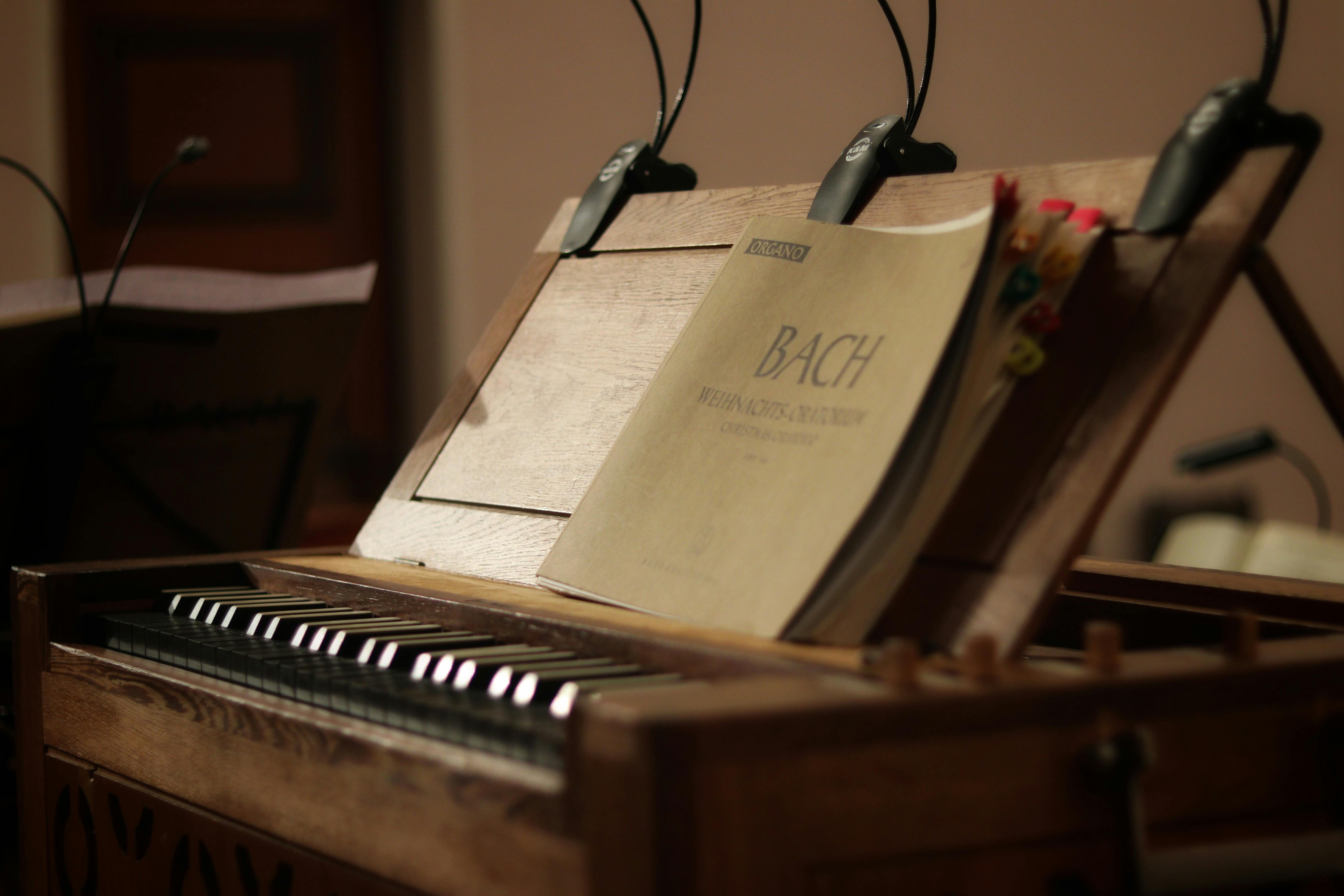
You don’t need to be Beethoven, but a solid understanding of music theory is essential. Learning about harmony, orchestration, and arrangement will be your foundation.
2. Get the Right Education
Formal education isn’t mandatory, but it sure helps. Many successful composers have studied at places like Berklee or Juilliard. However, there are also online options like MasterClass or YouTube where you can learn from industry professionals at your own pace.
3. Master the Tools of the Trade
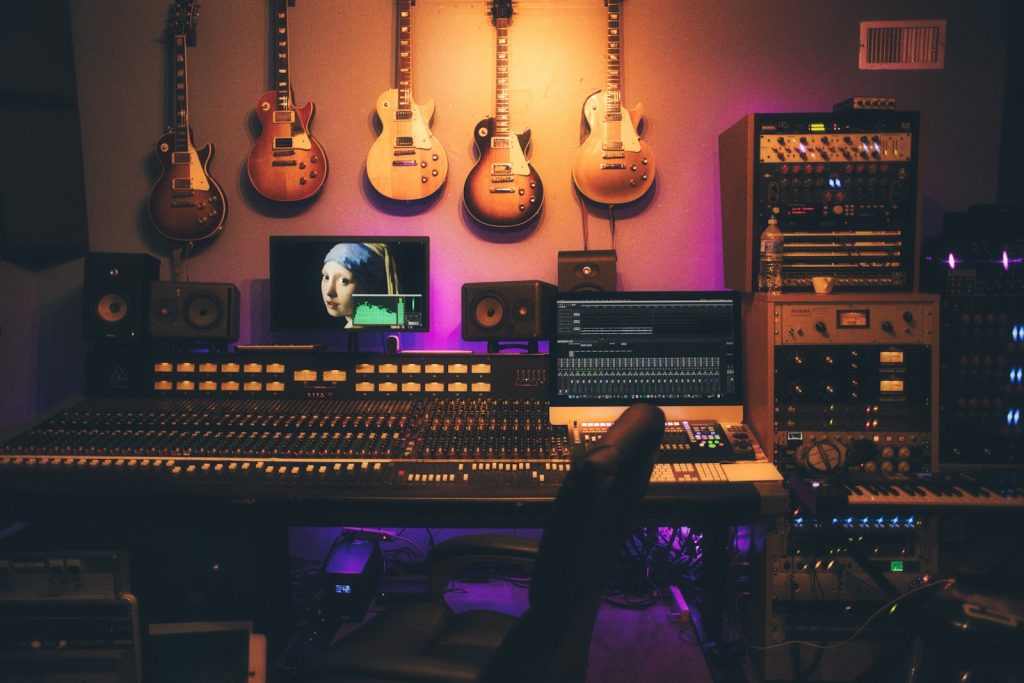
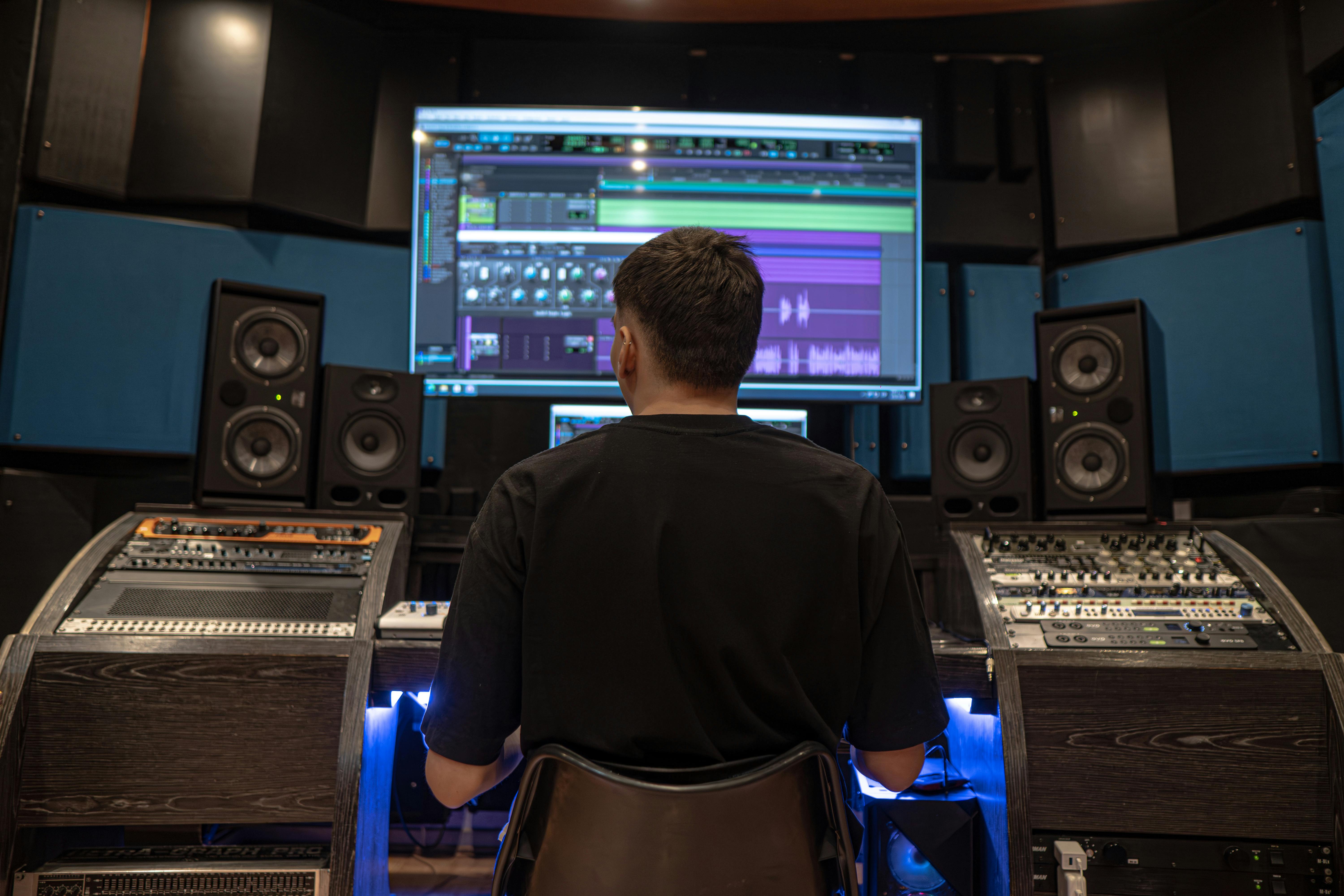
You’ll need to get comfortable with music production software such as:
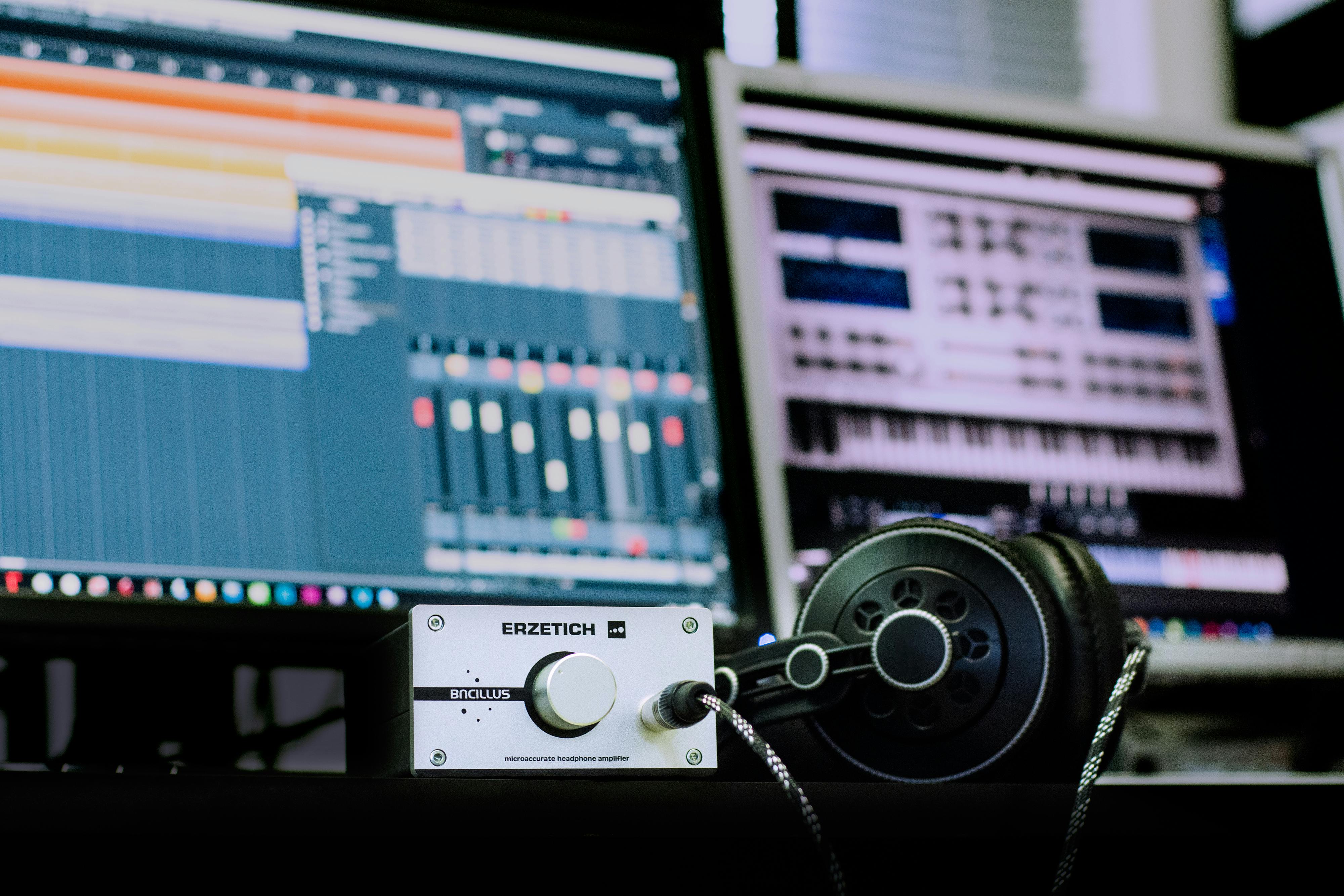
- DAWs (Digital Audio Workstations): Logic Pro, Ableton Live, or Cubase are industry standards.
- VSTs and plugins: These are the virtual instruments that help mimic real-life orchestras, pianos, and more.
4. Study Film Music
Watch classic movies and pay attention to the score. Ask yourself: How does the music influence my emotions here? Break it down — identify instruments, structure, and tempo changes.
5. Start Composing for Short Films or Student Projects
This step is crucial for building your portfolio. You don’t need a Hollywood blockbuster to show what you’re capable of. Reach out to film students or indie filmmakers who may be looking for music on tight budgets (or none at all).
Building a Solid Portfolio & Networking
A strong portfolio is your ticket to getting noticed. So, how do you create one that stands out?
1. Create a Demo Reel
Your demo reel should include a variety of styles — orchestral, electronic, dramatic, and even comedic. Make sure to highlight your versatility and your ability to support different kinds of narratives with music.
2. Use Online Platforms to Showcase Your Work
Post your demos on websites like SoundCloud, YouTube, and even Bandcamp. Better yet, consider building a simple personal website where you showcase your best projects and contact info.
3. Networking, Networking, Networking
This industry is all about who you know. Connecting with directors, editors, and other composers can open up many doors. Here are some ways to network effectively:
- Attend film festivals and music conferences
- Join online forums and Facebook groups
- Collaborate on indie projects
When you make genuine connections and deliver great work, word of mouth spreads fast. A single short film could lead to your first big break.
4. Stay Consistent and Keep Improving
Every project, no matter how small, is an opportunity to get better. Create daily. Experiment with sounds. Ask for feedback. The more you do, the more confident and skillful you’ll become.
Finding Paid Work and Growing Your Career
Once you’ve honed your skills and built a decent portfolio, the next step is turning your passion into a paycheck. Here’s how to take your career to the next level:
Breaking Into the Industry
Start with smaller gigs. Sites like Upwork, Fiverr, or Freelancer often have listings for film composers. These might not be glamorous, but they get your foot in the door and help you gain experience.
Consider Agent Representation
When you’ve done a few solid projects, you might want to get an agent. Agents help you land bigger jobs and negotiate contracts. But remember, they usually take a percentage of your earnings.
Apply for Residencies and Composer Labs
Many film organizations offer programs specifically for up-and-coming composers. These labs provide mentorship, networking, and even opportunities to score sponsored projects. Keep an eye out for openings through sites like the Sundance Institute or ASCAP.
Stay Updated and Keep Learning
Technology and trends in scoring are always evolving. Keep upgrading your skills, instruments, and software. Stay in tune with what’s popular in the industry—study recent hit films and their soundtracks.
Conclusion: Turn Your Passion Into a Profession
The road to becoming a successful film composer isn’t always easy, but it’s one filled with creativity, emotion, and storytelling. If you’re passionate about music and movies, this could be your calling. With persistence, the right skills, and a little bit of hustle, your music could be playing in theatres around the world one day.
So, what are you waiting for? Open up your DAW, press play on your favorite film scene, and start composing your future.