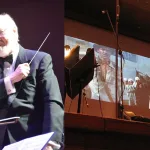

Why Video Game Music is More Popular Than Ever
If you’ve ever felt goosebumps while exploring an open world or felt the tension rise during a boss fight, you’ve experienced the unmistakable power of video game music. Today’s game scores rival Hollywood soundtracks not just in quality but in emotional impact. With the gaming industry booming, there’s never been a better time to turn your musical talent into a rewarding career.
But how exactly do you go from an aspiring composer to having your work featured in globally played video games?
Let’s break that down.
Understanding the Role of a Game Music Composer
Before diving into the “how-to,” it’s important to understand what the job entails. Video game composers go beyond just writing music—they help shape the emotional tone of a game. Their work:
- Establishes mood and atmosphere
- Guides the player’s emotional journey
- Responds dynamically to gameplay and player choices
Unlike film scoring, your music may have to loop smoothly for minutes—even hours—and adapt to changing in-game events. Sound tricky? It can be. But it’s also one reason why this path can be so incredibly rewarding.
The Industry is Vast—and Growing
Video game music isn’t limited to blockbuster titles. There are opportunities with:
- Mobile games
- Indie developers
- Virtual reality experiences
- Audio libraries for game platforms
Thanks to platforms like YouTube and Twitch, even background music can gain serious attention. Composers like Austin Wintory (Journey) and Darren Korb (Hades) have earned loyal fan bases—and even Grammy nominations.

Top Skills You Need to Become a Game Music Composer
Sure, being able to write compelling music is a must. But to make it in this field, you’ll need a broader toolbox. Here are some of the key skills successful game composers swear by.
1. Musical Versatility
Game genres vary widely, and each one calls for a unique sound. You might be creating electronic beats for a sci-fi shooter one day and a soothing cello melody for a fantasy RPG the next.
- Learn multiple genres and instruments
- Understand different musical cultures and styles
- Adapt your style to meet the game’s tone and mechanics
2. Technical Skills
You don’t need to be a tech wizard, but you do need to understand how music interacts with game engines. That means familiarity with tools like:
- Middleware (FMOD, Wwise, etc.)
- Digital Audio Workstations (Logic, Cubase, Ableton)
- Basic knowledge of game engines (Unity, Unreal Engine)
Why does this matter? Because interactive music is often layered and adaptive. Your track could change intensity based on player actions. The smoother those transitions are, the more immersive the experience.
3. Communicating and Collaborating
You’ll rarely work alone. As part of a production team, you’ll communicate directly with:
- Game developers
- Sound designers
- Producers and directors
- Other composers and musicians
Being able to take feedback well, meet deadlines, and translate abstract ideas (“We want this level to feel more mysterious”) into music is crucial.

Photo courtesy of Pexels.com
How to Start Your Journey: From Bedroom to Game Studio
So now that you know what it takes, how do you actually get started?
1. Build a Demo Reel
Your demo reel is like a musical resume. It should showcase your skill, style, and adaptability. Even if you haven’t officially scored a game yet, you can:
- Compose music “inspired by” your favorite games
- Re-work the soundtracks of existing game footage (for practice)
- Create music suites for different fictional game levels
Keep your best work at the start—those first 30 seconds are critical.
2. Learn the Industry Inside and Out
Don’t just study music—study games. Understand what makes great game audio great. Attend conferences like GDC (Game Developers Conference), read forums like r/GameAudio, and listen to podcasts by industry pros.
This helps you stand out and better speak the language of game developers.
3. Network Like Your Career Depends On It—Because It Does
Many projects aren’t listed on job boards—they’re found through conversations. Reach out to indie developers on Twitter, join Discord game dev communities, and collaborate on small or student-led projects to gain experience.
You never know who might be working on the next indie hit.

Photo courtesy of Pexels.com
Biggest Mistakes to Avoid + Tips for Success
Breaking into the video game music scene can feel overwhelming—but avoiding these common pitfalls goes a long way.
Don’t Wait for the “Perfect” Opportunity
A lot of musicians hesitate to promote themselves until they feel “ready.” In reality, experience is gained by doing.
Skip the Overproduction
Yes, quality matters. But spending weeks polishing one track instead of building a diverse portfolio can limit your growth. Remember, you’re trying to show range and adaptability.
Seek Feedback—and Act On It
Find mentors. Share your music with peer communities. Be open to critique but learn to separate constructive feedback from opinion.
Keep Learning and Evolving
The tools and trends in game audio evolve fast. Stay curious, keep practicing, and take advantage of online courses, especially those that offer direct feedback from professionals in the industry.
Final Thoughts: Your Soundtrack Is Waiting
The road to becoming a video game composer isn’t easy—but it is one of the most dynamic and creatively fulfilling paths a musician can take. Whether it’s an 8-bit mobile puzzle game or a full-blown cinematic RPG, there’s a place for your music in the gaming world.
So, fire up your DAW. Reach out to that game developer. And start composing the next great gaming soundtrack. Your player—and your future self—will thank you.