
Article by FMT / 5-minute read
Master the art of film/video game music composition with everything you need to know about creating impactful scores. Complete Collection Study Pack (Enter 25FMT at the checkout for instant 25% off)

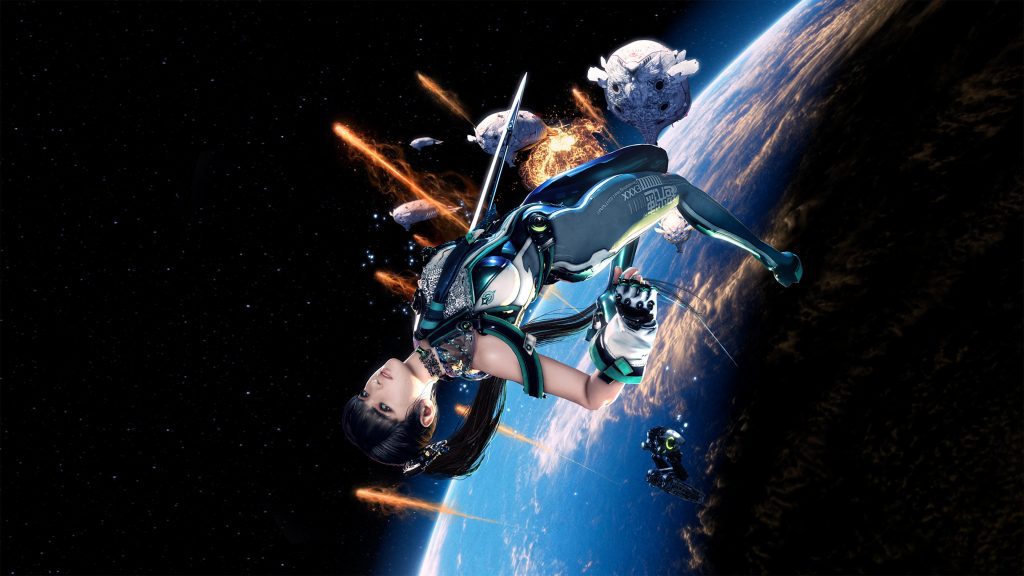
When Stellar Blade launched on April 26, 2024, exclusively for the PlayStation 5, it didn’t just captivate players with its slick combat and stunning visuals—it also delivered a soundtrack that’s become a standout feature of the game. Developed by South Korean studio Shift Up and published by Sony Interactive Entertainment, this action-adventure title thrusts players into a post-apocalyptic Earth where humanity teeters on the brink of extinction. At the heart of this experience lies a musical score that’s as dynamic and layered as the game itself, blending haunting melodies, pulsating rhythms, and atmospheric soundscapes. Spanning 189 tracks and over ten hours of music, the Stellar Blade Original Soundtrack is a testament to the power of audio in gaming, crafted by a talented team including Oliver Good and Keita Inoue from MONACA, alongside Shift Up’s in-house composers.
From the moment players step into the boots of protagonist Eve, the music sets the tone for a journey that’s equal parts thrilling and melancholic. Whether it’s the adrenaline of a boss battle or the quiet sorrow of a ruined city, the soundtrack enhances every beat of the story. Released digitally on September 24, 2024, and celebrated for its nods to NieR: Automata’s iconic score, this OST has quickly earned a spot among the year’s best video game soundtracks.
A Soundtrack Forged in Collaboration
The Stellar Blade soundtrack is a collaborative triumph, blending the talents of MONACA—a studio renowned for its work on Keiichi Okabe’s NieR series—with Shift Up’s own composers like Hyunmin Cho. This fusion creates a score that feels both familiar to fans of atmospheric RPGs and distinct in its execution. Drawing inspiration from NieR: Automata, a game director Hyung-Tae Kim has openly admired, the music often mirrors that title’s ethereal vocals and genre-blending style. Yet, it carves its own path with a mix of electronic beats, orchestral swells, and ambient textures tailored to Stellar Blade’s sci-fi dystopia.
The soundtrack’s sheer scale—189 tracks—reflects the game’s ambition. It’s a sprawling collection that covers everything from intense combat themes to quiet, reflective interludes. Available on platforms like Apple Music and YouTube, it’s a feast for the ears that invites listeners to revisit Eve’s battle against the monstrous Naytiba. Let’s explore how this music brings the game’s world to life through some of its most memorable compositions.

Music as the Pulse of a Dying Earth
In Stellar Blade, music isn’t just an accompaniment—it’s a narrative force. The score shifts seamlessly with the game’s pacing, amplifying the tension of combat, the wonder of exploration, and the weight of its story. As Eve fights to reclaim Earth from the Naytiba, the soundtrack mirrors her journey, from moments of hope to the crushing reality of a ravaged planet. Below, we’ll unpack ten standout tracks, examining their role in the game and the craft behind them.
Shelter (Title)
In the Game
“Shelter (Title)” greets players as they boot up Stellar Blade, serving as the main menu theme. It’s a gentle introduction to the game’s world, with sparse piano notes and ethereal vocals that drift in and out like a distant memory. As the camera pans over a desolate Earth on the title screen, the track evokes a sense of longing and loss—perfectly setting up Eve’s mission to save humanity from its off-world colony. It’s a quiet, introspective piece that contrasts with the action to come, inviting players to linger and absorb the stakes.
Trivia
Composed by Oliver Good of MONACA, “Shelter” features the breathy, wordless vocals typical of the NieR series, sung in a mix of real and fictional languages. Its minimalistic approach makes it a striking opener, drawing listeners in without overwhelming them—a deliberate choice to ease players into the game’s tone.
Star Descent
In the Game
“Star Descent” explodes onto the scene during the game’s opening cinematic, where Eve and her 7th Airborne Squad descend from orbit to Earth. The track’s bombastic production—complete with soaring strings, chanting vocals, and dubstep-inspired beats—mirrors the chaos of their crash landing amid a Naytiba ambush. It’s a high-octane introduction that underscores the squad’s doomed mission, culminating in Eve emerging as the sole survivor, ready to fight.
Trivia
Co-composed by Oliver Good and Keita Inoue, “Star Descent” wears its NieR: Automata influence proudly, echoing tracks like “Alien Manifestation.” Its vocal range and tempo shifts make it a standout, reflecting the track’s role as a musical adrenaline shot to kick off the adventure.
Eidos 7 (Battle)
In the Game
As Eve explores the ruined city of Eidos 7 in the game’s first major area, “Eidos 7 (Battle)” kicks in during combat encounters with Naytiba grunts. The track’s pulsing electronic beat and sharp synths heighten the tension of these fast-paced fights, driving players to master Eve’s parry-and-counter mechanics. It’s a relentless rhythm that keeps the momentum going as she slashes through enemies in this haunting urban wasteland.
Trivia
This battle theme, crafted by Shift Up’s in-house team, balances intensity with a sci-fi edge. Its shorter runtime—under four minutes—ensures it loops seamlessly in combat, a design choice that suits the game’s action focus while keeping players engaged without fatigue.
Parking Tower (Battle)
In the Game
“Parking Tower (Battle)” plays during a mid-game skirmish in a dilapidated parking structure. Unlike the usual high-energy battle themes, this track takes a surprisingly chill approach, with a mid-tempo beat and ambient synths. It accompanies Eve’s fight against a mix of Naytiba foes, offering a breather amid the game’s intensity while still maintaining a sense of danger. The contrast makes this encounter feel uniquely atmospheric.
Trivia
Another Shift Up composition, this track showcases the soundtrack’s versatility. Its laid-back vibe draws inspiration from ‘90s trip-hop, proving that even battle music can have a mellow side—a rarity that adds texture to Stellar Blade’s audio landscape.
Hyperdrive
In the Game
“Hyperdrive” fills the air during a late-game exploration sequence in a high-tech facility overrun by Naytiba. Its atmospheric synths and subtle electronic hum create a sense of unease as Eve navigates dark corridors, searching for clues about Earth’s downfall. The track’s minimalism amplifies the tension, making every shadow feel alive with potential threats.
Trivia
Crafted by Shift Up’s team, “Hyperdrive” leans heavily on ambient sound design, evoking the isolation of sci-fi classics like Blade Runner. Its understated approach proves the soundtrack’s strength lies as much in its quiet moments as its loud ones.
Cosmo (Great Desert)
In the Game
“Cosmo (Great Desert)” plays as Eve traverses the vast, open-world expanse of the Great Desert. This track’s warm acoustic guitar and soft percussion paint a picture of a desolate yet strangely beautiful landscape. It swells during moments of discovery—like finding a hidden camp—infusing the exploration with a touch of hope amid the ruins.
Trivia
Composed by Oliver Good, “Cosmo” nods to the pastoral themes of Final Fantasy field music while adding a modern twist. Its earthy tones stand out against the game’s sci-fi backdrop, offering a sonic oasis in the desert setting.
Tachy
In the Game
“Tachy” accompanies a poignant flashback where Eve’s mentor, Tachy, sacrifices herself during the opening battle. The track’s mournful strings and delicate piano capture the tragedy of her death, deepening the emotional stakes as Eve inherits her blade and resolve. It’s a quiet, heart-wrenching moment that lingers long after the scene fades.
Trivia
This piece, by Keita Inoue, uses subtle vocal harmonies to echo NieR’s emotional weight. Named after Tachy herself, it’s a rare character-specific theme that underscores her importance to Eve’s journey, even in her absence.
Raven
In the Game
“Raven” blares during the climactic boss fight against Raven, a rival soldier turned Naytiba enforcer. Its aggressive percussion and distorted synths match her relentless attacks, pushing players to perfect their timing as Eve clashes with her in a brutal showdown. The music’s intensity mirrors Raven’s ferocity, making this a standout encounter.
Trivia
Composed by Hyunmin Cho, “Raven” blends industrial sounds with orchestral chaos, reflecting the character’s corrupted power. Its driving rhythm has drawn comparisons to Devil May Cry boss themes, a fitting nod given Stellar Blade’s stylish action roots.
May Your Memories Live On, Forever
In the Game
Closing out the game, “May Your Memories Live On, Forever” plays during the credits, reflecting on Eve’s journey and the sacrifices made along the way. Its somber piano and swelling strings offer a bittersweet farewell, leaving players with a mix of closure and contemplation as the screen fades to black.
Trivia
This Shift Up composition is a masterful finale, weaving together motifs from earlier tracks like “Shelter” and “Tachy.” Its mournful tone encapsulates the game’s themes of loss and resilience, making it a perfect capstone to the soundtrack.
The Emotional Depth of Stellar Blade’s Score
What makes Stellar Blade’s music so captivating is its emotional range. It can shift from the frenetic energy of battle to the quiet despair of a broken world without missing a beat. Tracks like “Tachy” and “May Your Memories Live On, Forever” tug at the heartstrings, while “Raven” and “Alpha Naytiba” get the blood pumping. This versatility mirrors the game’s own blend of action and introspection, creating a cohesive experience that resonates with players.
The soundtrack also shines in its shorter compositions. Many tracks clock in under four minutes, a choice that keeps them punchy and focused—ideal for an action-driven game. Yet, within those constraints, the composers pack in variety, from dubstep drops to classical strings, ensuring no two pieces feel alike. It’s a balance that keeps the OST fresh, whether you’re listening in-game or on its own.
A Nod to Influences, A Voice of Its Own
The NieR: Automata influence is undeniable—director Kim has cited it as a key inspiration, and MONACA’s involvement only strengthens the connection. Tracks like “Star Descent” and “Shelter” echo Okabe’s signature style, with their ethereal vocals and cinematic flair. But Stellar Blade isn’t just a copycat. Its soundtrack blends those influences with Shift Up’s own vision, incorporating electronic and ambient elements that suit its post-apocalyptic setting. The result is a score that pays homage while standing tall on its own merits.
The game’s success—selling over a million copies by June 2024—and its soundtrack’s acclaim, including a nomination at The Game Awards 2024, speak to its impact. With a PC release slated for June 2025 alongside a crossover with Goddess of Victory: Nikke, Stellar Blade’s music is poised to reach even more ears, cementing its place in gaming history.
This post was brought to you in collaboration with our partner site Behind the Score. Discover the Harmony Secrets of Modern Film and Video Games.
Master the art of film music composition with everything you need to know about creating impactful scores. Complete Collection Study Pack (Enter 25FMT at the checkout for instant 25% off)