
Article by FMT
Master the art of film/video game music composition with everything you need to know about creating impactful scores. Complete Collection Study Pack (Enter 25FMT at the checkout for instant 25% off)

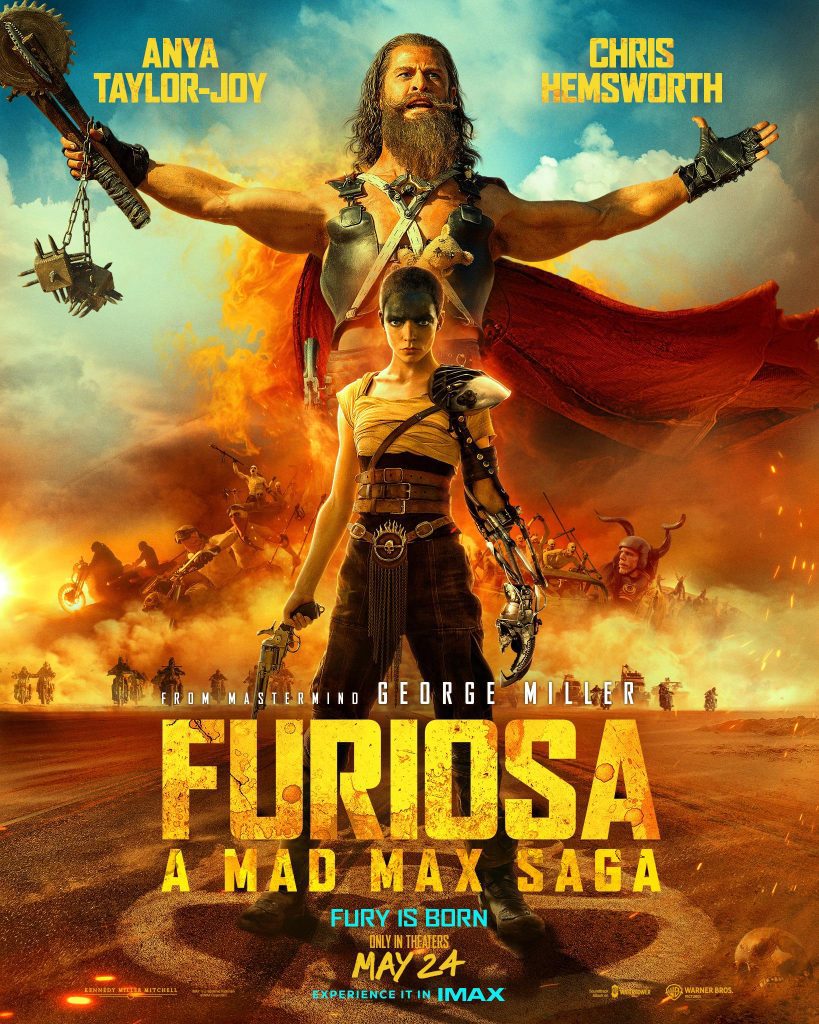
When Furiosa: A Mad Max Saga roared into theaters on May 24, 2024, it didn’t just deliver a visceral prequel to George Miller’s Mad Max: Fury Road—it brought with it a soundtrack that felt like the pulse of the Wasteland itself. Composed by Tom Holkenborg, known to many as Junkie XL, the score is a thunderous companion to the film’s tale of survival, revenge, and resilience. Holkenborg, who first left his mark on the Mad Max universe with his 2015 Fury Road score, returned to craft a soundscape that’s both a continuation and a reinvention. Released by WaterTower Music on May 17, 2024, this soundtrack doesn’t just accompany the film—it drives it, weaving a tapestry of aggression, emotion, and raw power.
The Man Behind the Madness: Tom Holkenborg’s Journey
Tom Holkenborg isn’t your average film composer. Born in 1967 in the Netherlands, he’s a multi-instrumentalist, producer, and innovator who’s as comfortable with a synthesizer as he is with a full orchestra. Before Hollywood came calling, he made waves as Junkie XL, a big-beat electronic artist with hits like “A Little Less Conversation,” remixed for Elvis Presley. His shift to film scoring—mentored by the likes of Hans Zimmer—saw him tackle blockbusters like Deadpool and Alita: Battle Angel. But it was Mad Max: Fury Road that cemented his reputation, earning praise from Zimmer himself as “mind-blowingly brilliant.”
“For Furiosa, Holkenborg didn’t just revisit his Fury Road playbook—he shifted gears. Where Fury Road was a relentless assault, Furiosa demanded nuance, reflecting the titular character’s journey through a brutal world. Working closely with Miller, Holkenborg mixed sound design with music, even collaborating with supervising sound editor Robert Mackenzie to blur the lines between score and effects. The result? A soundtrack that’s as much a character as Anya Taylor-Joy’s Furiosa.”
The Pole of Inaccessibility
- Use in the Film: This track opens the film, setting a somber tone as young Furiosa is snatched from the Green Place of Many Mothers. Its moody strings—echoing Fury Road’s opening—give way to a burst of tense electronics, mirroring the chaos of her abduction by Dementus’ biker horde. As the camera lingers on the desolate landscape, a duduk’s eerie wail emerges, underscoring her isolation. Spoken dialogue—“As the world falls around us, how must we brave its cruelties?”—weaves into the music, a rare choice that frames the story’s stakes.
- Fun Facts: Holkenborg drew inspiration from Bernard Herrmann, the composer behind Hitchcock classics like Psycho. The duduk, a woodwind with roots in Armenian music, adds an otherworldly texture—a nod to his love for non-Western instruments.
Dementus Is Gaining
- Use in the Film: Released as the soundtrack’s first single, this track powers a high-stakes chase as Dementus (Chris Hemsworth) closes in on Furiosa’s fleeing family. Pounding percussion and distorted synths mimic the roar of engines, while jagged guitar riffs amplify the warlord’s menace. The music peaks as Furiosa’s mother fights back, only to fade into a mournful string coda as she’s overwhelmed—a gut-punch of sound and silence.
- Fun Facts: Holkenborg called this track the “heartbeat” of the score, tweaking sonic distortions to reflect Furiosa’s growing rage. It’s a preview of his aggressive style, honed on films like 300: Rise of an Empire.
The Stowaway
- Use in the Film: When Furiosa stows away on a War Rig to escape Dementus’ camp, this track kicks in with a stealthy, pulsing rhythm. Low bass drones build tension as she hides among the cargo, while sharp metallic clangs—mimicking the rig’s machinery—keep the audience on edge. The music swells into a triumphant burst as she slips away, marking her first taste of freedom.
- Fun Facts: Holkenborg played most instruments himself, a habit from his Fury Road days. The metallic sounds? Custom-built instruments, echoing his work with rock operas.
Gastown
- Use in the Film: This piece accompanies Furiosa’s arrival at Gastown, a grimy fuel hub ruled by Dementus. Its industrial grind—think revving engines meets warped horns—captures the town’s chaotic energy. As she navigates its underbelly, subtle vocal chants hint at her forming resolve, contrasting the oppressive soundscape. It’s a sonic portrait of a place teetering on collapse.
- Fun Facts: Holkenborg’s time remixing artists like Depeche Mode shines here, with electronic layers adding a dystopian edge. He wanted Gastown to “feel alive, like it’s breathing.”
The War Rig
- Use in the Film: As Furiosa joins Praetorian Jack (Tom Burke) on the War Rig, this track revs up with a relentless drumbeat and searing guitars. It fuels a high-octane chase through the Wasteland, engines roaring as bullets fly. The music’s intensity mirrors the rig’s power, peaking when Furiosa takes the wheel—a turning point in her journey.
- Fun Facts: Fans of Fury Road will hear echoes of “Brothers in Arms,” but Holkenborg restrained the bombast here, focusing on Furiosa’s perspective. He mixed the final audio himself, a rare dual role.
Wives’ Quarters
- Use in the Film: This gentle track plays as Furiosa glimpses the Citadel’s wives, a moment of quiet amid the storm. Soft strings and a mournful duduk weave a fragile melody, reflecting her empathy for their plight. It’s a brief respite, cut short by a sudden percussive jolt as she’s pulled back into the fight.
- Fun Facts: Holkenborg avoided reprising Fury Road’s themes here, wanting Furiosa’s music to stand apart. Critics noted its lack of memorability, but he saw it as “felt, not heard,” per Miller’s vision.
The Bullet Farm
- Use in the Film: When Furiosa and Jack raid the Bullet Farm, this track unleashes a barrage of chaotic percussion and distorted electronics. It’s a sonic assault, mirroring the gunfire and explosions as they battle Dementus’ forces. A brief string motif emerges as Furiosa outsmarts her foes, only to be drowned out by the relentless noise.
- Fun Facts: Holkenborg’s love for silence as a tool shines here—stretches without music heighten the chaos. It’s a trick he learned from Hans Zimmer on The Dark Knight.
A Noble Cause
- Use in the Film: This track underscores Furiosa’s bond with Jack, a rare emotional beat. As they plan their escape from the Citadel, warm strings and a subtle piano line build a sense of hope—until a dissonant synth crash signals betrayal. It’s a bittersweet pivot, reflecting her hardening resolve.
- Fun Facts: Holkenborg’s classical training, refined under Zimmer, shapes this piece. He called it a “small light in the dark,” a contrast to the score’s aggression.
The Darkest of Gods
- Use in the Film: As Furiosa confronts Dementus in the climax, this track erupts with guttural vocals and pounding drums. It’s a primal showdown, the music swelling as she exacts revenge—her blade sinking in sync with a final, bone-shaking chord. The fade to silence is deafening, marking her victory and loss.
- Fun Facts: Holkenborg worked with vocalists to create a “human engine” sound, a nod to his Fury Road experiments. Critics found it chaotic, but he saw it as Furiosa’s raw essence.
Holkenborg’s process for Furiosa was anything but conventional. He built custom instruments—think drums layered with engine parts—and leaned on modular synths for an alien edge. Silence became a weapon, with stretches of soundlessness amplifying the music’s impact. His collaboration with Miller was intense; the director wanted a score “felt, not heard,” seen through Furiosa’s eyes. Holkenborg delivered, even mixing the film’s final audio alongside Mackenzie—a rare move for a composer.
A Shift from Fury Road
Unlike Fury Road’s wall-to-wall bombast, Furiosa starts slower, more elemental. Holkenborg mirrored her arc—gentle strings for her youth, brutal percussion for her strength. Critics like Zanobard Reviews panned its lack of Fury Road’s heroic highs, but fans argue it fits the prequel’s darker tone. It’s less a sequel score, more a character study in sound.
Beyond the Screen
The soundtrack stands alone as a listening experience. Tracks like “The War Rig” rival video game scores like Halo for adrenaline, while “Wives’ Quarters” could grace a concert hall. Vinyl editions from Mutant Records, pressed on 140-gram color discs, became collector’s items, complete with Holkenborg’s liner notes.
Furiosa’s music matters because it’s fearless. Holkenborg didn’t play it safe—he pushed boundaries, blending classical roots with electronic grit. It’s not just a backdrop; it’s the Wasteland’s voice, from Gastown’s clangor to Furiosa’s silent fury. Reviews were mixed—some called it “thunderous” (The Hollywood Reporter), others “chaotic” (Filmtracks)—but its ambition is undeniable.
Tom Holkenborg’s Furiosa: A Mad Max Saga score is a beast of its own—a revving, pulsing, living thing that drags listeners into Miller’s dystopia. Through these ten tracks, he crafts a journey as brutal and beautiful as Furiosa herself. It’s not Fury Road redux, nor should it be. It’s a new chapter, raw and unapologetic, proving Holkenborg’s mastery of sound as storytelling. As the Wasteland saga continues, one thing’s certain: the music will keep roaring.

This post was brought to you in collaboration with our partner site Behind the Score. Discover the Harmony Secrets of Modern Film and Video Games.
Master the art of film music composition with everything you need to know about creating impactful scores. Complete Collection Study Pack (Enter 25FMT at the checkout for instant 25% off)