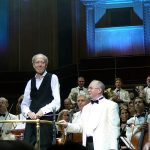

Cover Photo by Geoff Leonard
This post was brought to you in collaboration with our partner site Behind the Score. Discover the Harmony Secrets of Modern Film and Video Games.
Table of Contents
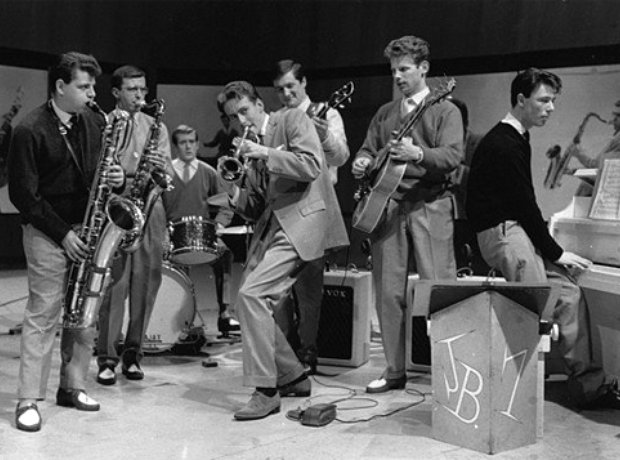
Following the exploration of The Music of John Barry – Pt.1, we now turn our attention to a less familiar chapter in his illustrious career: his involvement with The John Barry Seven and his iconic score beyond the James Bond Franchise. Formed in the late 1950s, The John Barry Seven quickly established itself as a leading force in the UK’s burgeoning pop scene. Their music was characterized by its energetic rhythms, catchy melodies, and innovative arrangements. This departure from the world of classical music allowed Barry to experiment with new sounds and explore different compositional approaches.
The success of The John Barry Seven not only brought him widespread recognition but also provided him with the financial stability and creative confidence to pursue his ambitions as a film composer. The band’s popularity laid the foundation for Barry’s transition into the world of cinema, where he would eventually achieve unparalleled success.
While Barry is perhaps most famous for his work on the James Bond series, his musical genius extended far beyond these spy thrillers. His versatility as a composer allowed him to score a wide variety of films, from historical epics to intimate dramas. Below, we explore ten of Barry’s most influential and enduring compositions that showcase his range and creativity.
👉 Up to 40H battery life and speed charge: JBL Tune 510BT: Wireless On-Ear Headphones
👉 Best-selling music method book for film composers: Turn Theory into Music – Behind the Score.
1. “Zulu” (1964)
Zulu is one of John Barry’s early masterpieces, and it marked a significant departure from the pop-influenced scores that had characterized his work up to that point. Set against the backdrop of the Anglo-Zulu War, the film required a score that could convey both the grandeur of the landscape and the intensity of the conflict. Barry delivered a powerful, evocative soundtrack that combines traditional orchestral elements with African rhythms and motifs. The main theme, with its haunting choral arrangement, is both stirring and memorable, capturing the epic scale of the film’s narrative.
2. “The Ipcress File” (1965)
Barry’s score for The Ipcress File is a brilliant example of his ability to create atmosphere and tension through music. This spy thriller, starring Michael Caine, required a soundtrack that was both sophisticated and subtly menacing. Barry employed an array of unconventional instruments, including the cimbalom, to create a distinctive, slightly eerie sound that perfectly complements the film’s Cold War setting. The score’s minimalist approach and use of jazz influences demonstrate Barry’s versatility and willingness to experiment with different musical styles.
3. “Born Free” (1966)
One of Barry’s most beloved scores is for the film Born Free, which tells the true story of Elsa the lioness and her return to the wild. The film’s themes of freedom and the beauty of nature are eloquently expressed through Barry’s music. The title song, with lyrics by Don Black, became a worldwide hit and won Barry two Academy Awards for Best Original Score and Best Original Song. The gentle, lyrical melodies and lush orchestration of the Born Free soundtrack exemplify Barry’s talent for writing music that is both emotionally resonant and universally appealing.
4. “The Lion in Winter” (1968)
The Lion in Winter is a historical drama that features one of Barry’s most complex and ambitious scores. The film, set in the 12th century, explores the tumultuous relationship between King Henry II and his family. Barry’s score is a masterful blend of medieval and modern elements, with choral passages, brass fanfares, and intricate string arrangements. The music enhances the film’s dramatic intensity, adding layers of emotional depth to the characters’ conflicts. The score was highly acclaimed and won Barry an Academy Award for Best Original Score.
5. “Midnight Cowboy” (1969)
Midnight Cowboy is a groundbreaking film that challenged social norms and redefined the American cinematic landscape. Barry’s score for the film is equally innovative, blending elements of jazz, folk, and classical music to create a soundtrack that is both haunting and poignant. The main theme, featuring a harmonica, perfectly encapsulates the film’s themes of loneliness and the search for connection in a cold, indifferent world. The score’s subtle, understated approach marked a departure from the more bombastic style of Barry’s earlier work, showcasing his ability to adapt his music to different genres and moods.
6. “Walkabout” (1971)
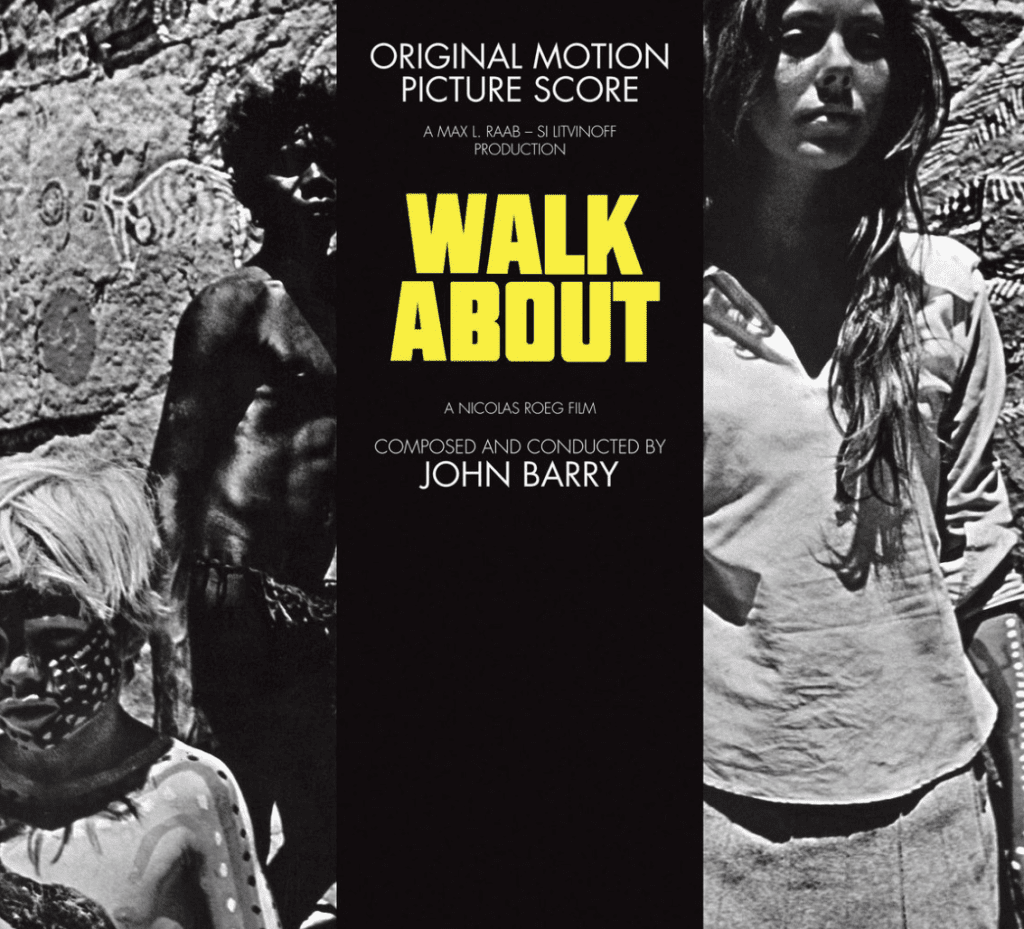
Barry’s score for Walkabout is a stunning example of how music can enhance the visual storytelling of a film. The movie, which tells the story of two children stranded in the Australian outback, required a soundtrack that could convey both the beauty and the harshness of the natural environment. Barry composed a score that is both minimalist and evocative, using simple, repeated motifs to create a sense of vastness and isolation. The music’s meditative quality reflects the film’s themes of survival and the contrast between civilization and nature.
7. “Somewhere in Time” (1980)
“Some have said that this is the most beautiful film score ever written.”
Somewhere in Time is a romantic fantasy film that has become a cult classic, thanks in large part to Barry’s beautiful, haunting score. The music is lush and emotive, with sweeping string arrangements that capture the film’s themes of love and longing. The main theme, which features a solo piano, is one of Barry’s most famous compositions and has been widely praised for its emotional depth and lyrical beauty. The score for Somewhere in Time is a perfect example of Barry’s ability to create music that resonates deeply with audiences, enhancing the emotional impact of the film.