
This post was brought to you in collaboration with our partner site Behind the Score. Discover the Harmony Secrets of Modern Film and Video Games.
Table of Contents
CP by 
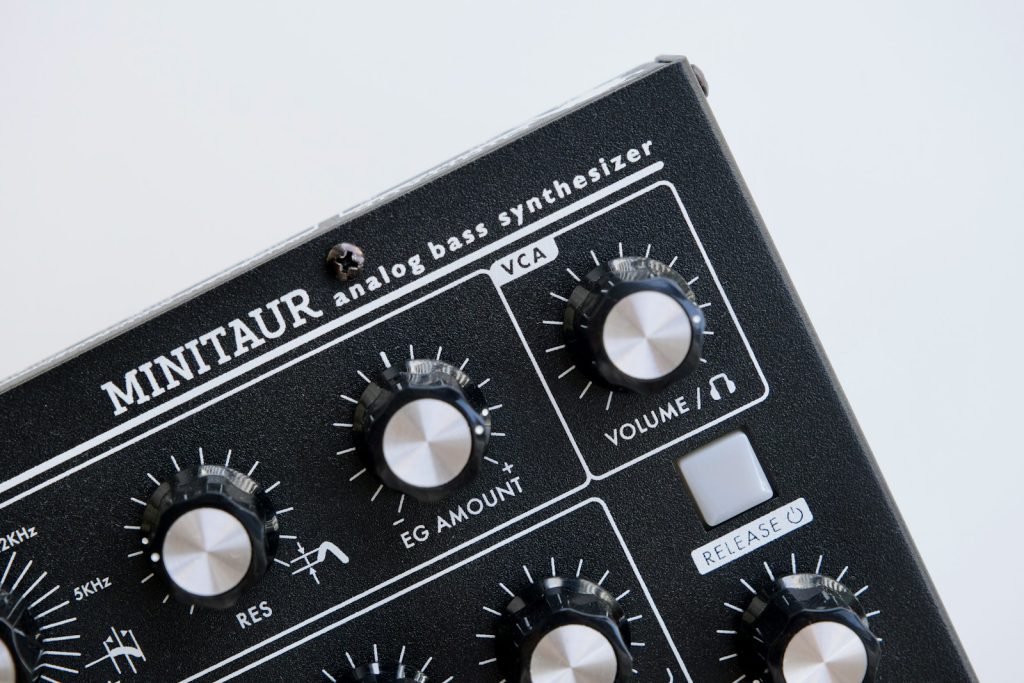
At FilmMusicTheory.com, we’ve primarily focused on film music related articles, but today, as I have just sold two of my most beloved synths—the Prophet 08 and the Moog Little Phatty— I felt like sharing my story about why I transitioned from analog hardware to digital instruments. I won’t go into the tedious (and often contentious) hardware vs. software debate. Instead, I simply wanted to share my story and the practical reasons behind my decision to transition from vintage hardware synths to digital synths.
” I find myself leaning more towards VSTi instead of hardware due to its capability for a fast-paced workflow, ease of saving and loading presets, and the elimination of analog recording cable patching.”
 Vollume
The Shift to Digital: Practical Considerations
Space Efficiency
One of the major driving factors for moving from analog to digital instruments is the need for space. Analog hardware, while often praised for its tactile interface and unique sound quality, can be bulky and require significant physical space. With growing families or changing living situations, the practicality of a more compact and versatile digital setup becomes appealing. I have two 4-year-old twins, and as they grow up, I’ve found it necessary to maximize space in my home. This led me to reconsider the extensive collection of analog hardware I had accumulated over the years. Also, with kids, there’s always the risk of something you’d never want to see ending up between the keys of a synthesizer.
Analog hardware synthesizers can take up considerable space. Rack-mounted units, keyboards, and various other equipment can dominate a room. In contrast, virtual instruments, housed within a computer, require no additional physical space beyond what the computer itself occupies. This shift can free up room for other activities and reduce clutter, contributing to a more organized and functional workspace.
Maintenance and Durability
Analog hardware requires regular maintenance. Components can degrade over time, needing repairs or replacements, which can be both costly and time-consuming. Digital instruments, however, avoid these issues entirely. Software updates can enhance functionality without the need for physical maintenance, ensuring a consistent and reliable performance over time.
Cost Efficiency
High-quality analog hardware can be expensive. For musicians on a budget or those just starting, the initial investment in analog equipment can be prohibitive. Digital instruments offer a more cost-effective solution, providing access to a wide range of sounds and features at a fraction of the cost. This affordability democratizes music production, allowing more people to create high-quality music without significant financial barriers.
Sound Quality and Versatility
While analog purists often argue that hardware synthesizers produce superior sound, digital instruments have made significant strides in recent years. Advances in technology have narrowed the gap, with many digital instruments now capable of emulating the warmth and richness traditionally associated with analog gear (sometimes even better.)
But seriously, is that really the case? Judge for yourself with the video below:
Emulation and Flexibility
Companies like Arturia have developed software that emulates classic analog synthesizers with remarkable accuracy. These virtual instruments can replicate the sound of iconic hardware, providing musicians with a wide palette of sonic options. Additionally, digital instruments offer unparalleled flexibility. With a single piece of software, you can access thousands of sounds, from vintage synths to cutting-edge digital creations, all within a single interface.
Integration and Workflow
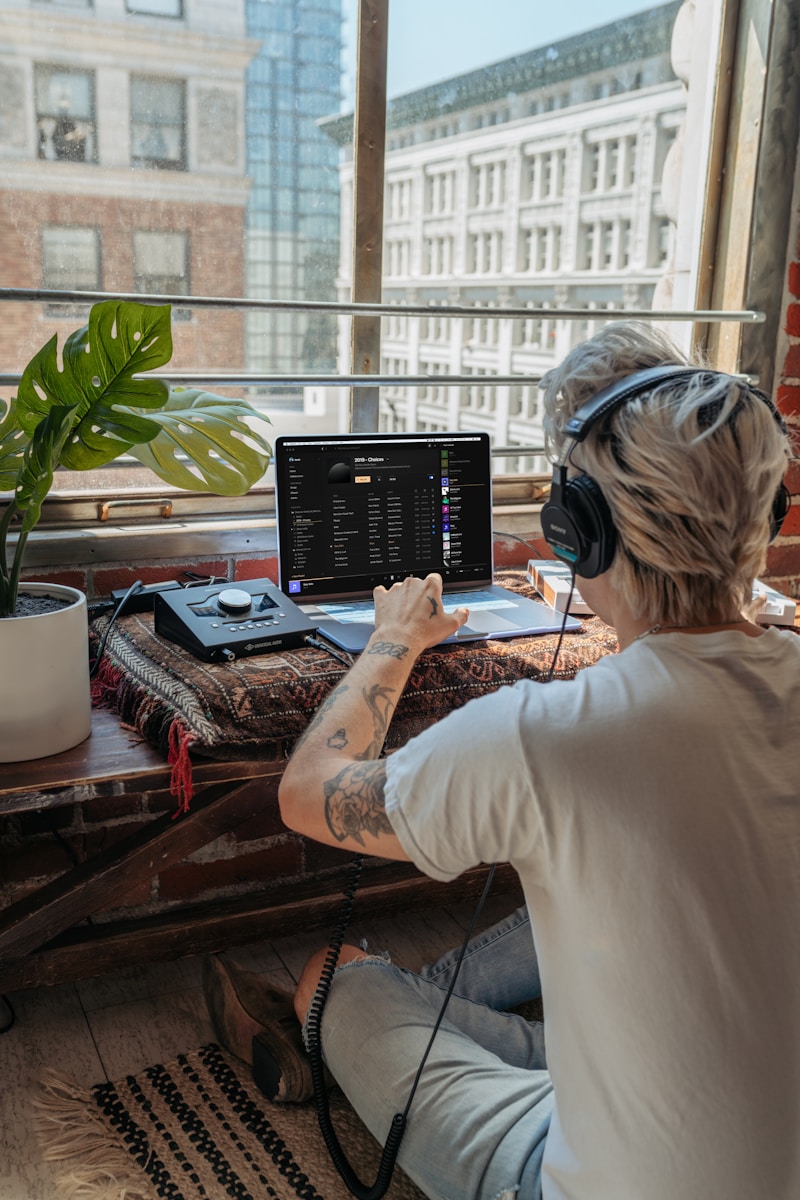
Digital instruments integrate seamlessly with modern digital audio workstations (DAWs). This integration enhances workflow efficiency, allowing musicians to quickly switch between instruments, apply effects, and make adjustments without the need for physical patching or complex setups. DAWs like Ableton Live and Cubase offer different approaches to music creation, with session views and linear arrangements catering to various styles and preferences.
Creative Freedom
The flexibility of digital instruments extends to their programmability. Virtual instruments often come with extensive modulation options, customizable interfaces, and the ability to save and recall presets. This programmability allows musicians to experiment with sounds and effects in ways that would be challenging or impossible with analog hardware.
Maintenance
Another consideration is the environmental impact of manufacturing and maintaining analog hardware. Especially during the summer, when it gets very hot and humid, I always have to run my dehumidifier to protect the instruments. In the winter, I do the opposite to maintain proper conditions. Oh, did I mention that I warm up my Slim Phatty for at least 30 minutes for tuning?
Analog Hardware Pros
I feel a bit guilty because it might seem like I’ve been harsh on analog hardware synths, which I genuinely love. Please don’t misunderstand me; they are truly wonderful and continue to be cherished by musicians for many valid reasons.
“Most importantly, the hardware synths are a helluva lot of fun.”
Analog hardware synthesizers possess a unique and often warmer sound quality that many musicians find irreplaceable. The richness and depth of analog tones can bring a distinct character to music that is difficult to replicate with digital instruments. The tactile, hands-on interface of analog synths offers an engaging and immersive experience, allowing musicians to interact directly with the sound-shaping process. This physical interaction can be incredibly satisfying and inspiring, fostering a deeper connection with the music being created.
Moreover, analog synthesizers have a nostalgic and aesthetic appeal that resonates with many artists. The vintage design and classic look of these instruments can evoke a sense of history and tradition, adding a layer of artistic authenticity to the music production process. For some, the visual and physical presence of an analog synth in the studio is as important as its sound, contributing to the overall creative atmosphere.
In essence, while I appreciate the convenience and flexibility of digital instruments, my admiration for analog hardware remains strong. These instruments offer a distinctive sound and experience that continues to make them beloved by musicians around the world.

 Federico Tele
Analog Hardware Pros:
- Unique, often warmer sound quality
- Tactile, hands-on interface
- Nostalgic and aesthetic appeal
Analog Hardware Cons:
- Expensive initial investment
- Requires significant physical space
- Ongoing maintenance and potential repairs
- Limited flexibility and preset recall
Digital Instruments Pros:
- Cost-effective and accessible
- Space-efficient
- Versatile and flexible with a wide range of sounds
- Seamless integration with DAWs
- Minimal maintenance
Digital Instruments Cons:
- Perceived as lacking the warmth of analog sound by some purists
- Dependence on computer hardware and software stability
- Less tactile interaction compared to physical knobs and sliders
Ultimately, the best choice is the one that aligns with your personal workflow, artistic goals, and practical considerations. Whether you prefer the tactile experience of analog hardware or the versatility of digital instruments, both have their unique strengths and can coexist in a diverse and dynamic music production environment.
This post was brought to you in collaboration with our partner site Behind the Score. Discover the Harmony Secrets of Modern Film and Video Games.