
Article by FMT / 5-minute read
Master the art of film/video game music composition with everything you need to know about creating impactful scores. Complete Collection Study Pack (Enter 25FMT at the checkout for instant 25% off)

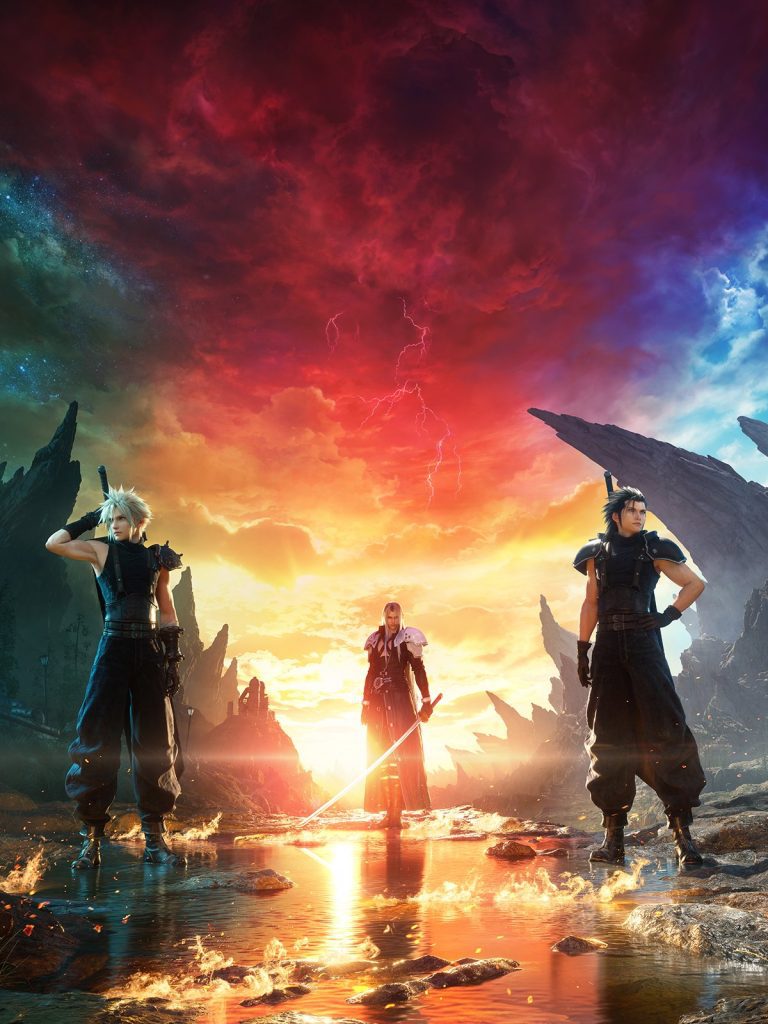
The release of Final Fantasy VII Rebirth in February 2024 marked a monumental moment for fans of the iconic Final Fantasy franchise. As the second installment in Square Enix’s ambitious remake trilogy of the 1997 PlayStation classic Final Fantasy VII, this action role-playing game didn’t just expand the story and visuals—it delivered a breathtaking musical experience that stands as a testament to the series’ legacy. With a soundtrack spanning over nine hours across seven discs (and an eighth bonus disc in the special edition), Rebirth weaves together nostalgia, innovation, and emotional depth. Composed by a talented team including the legendary Nobuo Uematsu, alongside Mitsuto Suzuki, Masashi Hamauzu, and others, the music elevates every moment of the game, from quiet character interactions to pulse-pounding battles.
Below, we’ll spotlight key tracks, unpack their in-game significance, and share some trivia that deepens our appreciation of this sonic masterpiece!
A Legacy Reborn in Sound
The Final Fantasy series has always been synonymous with unforgettable music, and Rebirth builds on that tradition with a score that feels both familiar and fresh. Nobuo Uematsu, the composer behind the original Final Fantasy VII soundtrack, returns to contribute new pieces and reimagined classics. His work is complemented by a team of arrangers and composers who bring modern flair to the project, blending orchestral grandeur with electronic experimentation. Released by Square Enix on April 10, 2024, the Final Fantasy VII Rebirth Original Soundtrack is a sprawling collection of 175 tracks, showcasing the game’s vast emotional and geographical scope.
What makes Rebirth’s music so compelling is its ability to bridge the past and present. Fans of the 1997 game will recognize motifs from tracks like “Let the Battles Begin!” and “Aerith’s Theme,” but these are transformed with lush instrumentation and creative twists. Meanwhile, entirely new compositions reflect the expanded world beyond Midgar, where players guide Cloud Strife and his party through diverse regions like the Grasslands, Cosmo Canyon, and Nibelheim. The result is a soundtrack that honors its roots while pushing the boundaries of video game music.
Music as a Storytelling Tool
In Final Fantasy VII Rebirth, music isn’t just background noise—it’s a vital part of the narrative. The score dynamically shifts to reflect the mood, from the serene beauty of exploration to the chaos of combat. It’s a testament to the composers’ skill that the music feels seamless, often transitioning mid-scene to heighten the drama or underscore a character’s inner turmoil. Let’s explore some standout examples of how the soundtrack brings the game to life.

The Unknown Journey Continues
In the Game
“The Unknown Journey Continues” kicks off Rebirth with a cinematic flourish, playing during the opening full-motion video (FMV). As the camera sweeps over a vast, untamed landscape, this track sets the tone for the adventure ahead. It’s a stirring piece that captures the sense of freedom and uncertainty as Cloud and his companions escape Midgar’s confines. The swelling strings and triumphant brass hint at the epic scale of their quest to stop Sephiroth and thwart Shinra’s exploitation of the planet’s life essence, Mako.
Trivia
Composed by Nobuo Uematsu, this track echoes the original game’s “Opening – Bombing Mission” but reimagines it with a broader, more cinematic scope. It’s a deliberate nod to fans, signaling that while the journey is familiar, it’s taking a bold new direction—fitting for a game that toys with fate and alternate timelines.
Another Buster Sword
In the Game
“Another Buster Sword” accompanies a pivotal early moment when players control Zack Fair in a flashback sequence. As Zack attempts to rescue Aerith Gainsborough from Shinra forces, the music pulses with urgency. Its driving rhythm and heroic undertones amplify Zack’s determination, making his brief appearance feel weighty and memorable—a stark contrast to Cloud’s more conflicted demeanor.
Trivia
This track, arranged by Mitsuto Suzuki, subtly weaves in motifs from “Those Chosen by the Planet,” tying Zack’s fate to the larger narrative. It’s a clever musical hint at his significance, especially for players aware of his tragic end in Crisis Core: Final Fantasy VII.

The War Hero Sephiroth
In the Game
When players take control of Sephiroth during the Nibelheim flashback in Chapter 1, “The War Hero Sephiroth” underscores his overwhelming power. The track plays as he effortlessly cuts through enemies, its dark, majestic tones reflecting his status as a legendary SOLDIER. The music shifts from awe-inspiring to ominous, foreshadowing his descent into villainy—a perfect encapsulation of his dual nature.
Trivia
Composed by Masashi Hamauzu, this piece incorporates elements of “One-Winged Angel,” Sephiroth’s iconic theme from the original game. The subtle inclusion primes players for his eventual transformation, a musical Easter egg that rewards attentive listeners.
Zangan’s Theme
In the Game
“Zangan’s Theme” introduces Rashard Zangan, a martial artist and mentor to Tifa Lockhart, during Cloud’s first encounter with him in the Nibelheim flashback. The track’s use of traditional Japanese instruments, like the koto, evokes a sense of wisdom and resilience, contrasting with the high-tech chaos of Shinra’s influence. It’s a quiet, reflective moment that deepens the lore of Tifa’s upbringing.
Trivia
Shoya Sunakawa’s composition here is a departure from the bombastic battle themes, offering a rare glimpse into the game’s quieter influences. The track’s nostalgic vibe harkens back to classic PlayStation-era RPGs, a subtle tribute to the series’ roots.
Materia Guardian
In the Game
The boss battle against the Materia Guardian in Chapter 1 is a thrilling showcase of “Materia Guardian,” a reimagined version of “Let the Battles Begin!” As Cloud and Sephiroth team up to face this monstrous foe on Mt. Nibel, the track’s choral vocals and pounding percussion elevate the fight to epic proportions. It’s a high-energy clash that marks the first major test of the game’s combat system.
Trivia
Arranged by Mitsuto Suzuki, this track blends the original battle theme with motifs from “Those Chosen by the Planet,” hinting at the deeper cosmic stakes. The eight-minute runtime allows it to evolve alongside the battle’s phases, a hallmark of Rebirth’s dynamic scoring.
Grasslands Theme
In the Game
The “Grasslands Theme” welcomes players to the open-world expanse of the Grasslands region, an arrangement of the “Main Theme of Final Fantasy VII.” As Cloud and company explore this lush, windswept area on foot or atop chocobos, the music’s gentle strings and woodwinds evoke a sense of wonder and freedom. It’s a stark contrast to Midgar’s oppressive industrial soundscape from Final Fantasy VII Remake.
Trivia
Nobuo Uematsu’s original melody shines through in this arrangement by Yoshitaka Suzuki, with added layers that reflect the game’s expanded scope. The track’s pastoral beauty has made it a fan favorite for relaxation playlists.
Cosmo Canyon
In the Game
The eponymous “Cosmo Canyon” theme plays as players enter this sacred region, home to Red XIII and his people. Its warm, earthy tones—driven by acoustic guitar and flute—create a spiritual atmosphere, perfectly suiting the area’s focus on planetary harmony and ancestral wisdom. The music swells during key story moments, like the River of Lights ceremony, amplifying the emotional weight.
Trivia
Composed by Nobuo Uematsu and arranged by Hamauzu, this track retains the original’s haunting melody while adding richer instrumentation. It’s a love letter to fans who cherished Cosmo Canyon’s mystique in 1997.
Gi Nattak Boss Battle
In the Game
The boss battle against Gi Nattak in the Cave of the Gi is scored by a fierce, otherworldly track. As Cloud’s party confronts this spectral warrior, the music’s eerie chants and aggressive rhythms heighten the tension. It’s a standout moment in Chapter 11, reflecting the Gi tribe’s tragic history and Red XIII’s personal stakes.
Trivia
This piece, arranged by Suzuki, incorporates motifs from “Cosmo Canyon,” linking it to Red XIII’s arc. The use of dissonant tones mirrors the Gi’s restless spirits, a creative choice that adds depth to the encounter.
No Promises to Keep – Loveless Ver.
In the Game
“No Promises to Keep – Loveless Ver.” plays during the Gold Saucer’s theatrical performance of Loveless, a pivotal scene in Chapter 12. Sung by Loren Allred, this heartfelt ballad captures the bittersweet romance between Cloud and Aerith (or another party member, depending on player choices). The music’s tender lyrics and soaring melody make it a tear-jerking highlight, resonating with the game’s themes of love and loss.
Trivia
Composed by Nobuo Uematsu, this version differs from the single released by Sony Music Labels. Performed in-game by voice actors based on language settings, it’s a rare instance of adaptive music tied to player experience.
One-Winged Angel – Rebirth
In the Game
The climactic “One-Winged Angel – Rebirth” accompanies the final showdown with Sephiroth at the Edge of Creation. This reimagined version of Uematsu’s iconic theme explodes with orchestral fury and choral intensity, matching the battle’s multiverse-spanning stakes. As Cloud and Zack team up against their nemesis, the music builds to a crescendo that feels both triumphant and apocalyptic.
Trivia
Arranged by Suzuki and Hamauzu, this track expands the original’s runtime with new sections, reflecting Rebirth’s narrative twists. Its use by wrestler Kenny Omega at Wrestle Kingdom 17 underscores its cultural impact beyond gaming.
The Emotional Core of Rebirth
What sets Final Fantasy VII Rebirth’s soundtrack apart is its emotional resonance. Whether it’s the quiet melancholy of “Aerith’s Theme – Return to the Planet” or the adrenaline rush of battle themes, the music taps into the player’s feelings in a way few games achieve. The composers’ use of recurring motifs—like the “Main Theme of Final Fantasy VII” woven throughout—creates a sense of continuity, while new tracks expand the emotional palette.
The soundtrack’s versatility is also striking. It shifts effortlessly between genres, from the jazzy “Cait Sith’s Theme” to the metal-infused “Fight On!” in combat simulator battles. This diversity mirrors the game’s multifaceted world, where moments of levity coexist with profound tragedy.
A Triumph of Collaboration
The success of Rebirth’s music lies in its collaborative spirit. Nobuo Uematsu’s foundational work is elevated by Suzuki, Hamauzu, and a host of arrangers who bring their unique voices to the table. Music supervisor Keiji Kawamori has noted in interviews how Uematsu’s melodies remain timeless, while the team’s innovations keep the score fresh. The result is a soundtrack that won “Best Music and Score” at The Game Awards 2024, a well-deserved accolade for its ambition and execution.
This post was brought to you in collaboration with our partner site Behind the Score. Discover the Harmony Secrets of Modern Film and Video Games.
Master the art of film music composition with everything you need to know about creating impactful scores. Complete Collection Study Pack (Enter 25FMT at the checkout for instant 25% off)