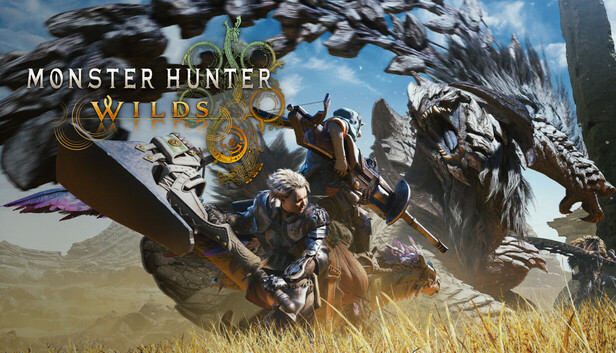

Monster Hunter: Wilds has already taken the gaming world by storm, selling more than 10 million copies in its very first month. What really surprised me, though, wasn’t just the gorgeous graphics or the addictive gameplay—it was the music. This used to be my sister’s favorite series, and I remember watching her play for hours, but even she never stopped to talk about the soundtrack. In Wilds, it’s impossible not to notice.
Led by composer Miwako Chinone and the Capcom Sound Team, the soundtrack feels alive, perfectly matching the wild frontier players find themselves in. The music doesn’t just sit in the background—it pushes the whole experience forward. Big orchestral swells make the hunts feel larger than life, while smaller character themes add an intimacy that makes the world feel real. Compared to the earlier games, it feels like a huge step forward, honoring what came before but also adding something completely fresh.
The Orchestral Foundation of Adventure
The heart of Monster Hunter: Wilds’ musical identity lies in its masterful orchestral arrangements. The soundtrack offers a deeply immersive experience with rich mid-low frequencies and a wide sonic landscape, creating an auditory environment that perfectly complements the game’s visual grandeur. The Capcom Sound Team has demonstrated exceptional skill in balancing traditional orchestral elements with modern gaming audio techniques.
The orchestral approach in Wilds extends beyond simple background music. Each composition serves as an active participant in the storytelling process, guiding players through emotional peaks and valleys as they navigate the challenges of monster hunting. The dynamic nature of these compositions ensures that the music evolves alongside the player’s journey, creating a truly personalized auditory experience.
With 126 songs spanning over 7 hours of music, the soundtrack provides an extensive library of musical moments that cover every conceivable scenario within the game. This comprehensive approach ensures that players never experience repetitive or inappropriate musical accompaniment, maintaining immersion throughout their hunting expeditions.
Utsukushiki Sekai no Kotowari – The BeautY of Nature
In the Game
The main theme “Utsukushiki Sekai no Kotowari” (The Beauty of Nature) serves as the powerful centerpiece of the Monster Hunter: Wilds soundtrack. This majestic composition plays during key story moments and serves as the musical identity that defines the entire Wilds experience. Composed by Miwako Kayane and arranged by Sascha Knorr and Tomoyuki Takeoka, the theme appears throughout various gameplay scenarios, from the opening cinematics to pivotal story revelations.
The theme’s implementation in the game demonstrates sophisticated musical programming, with different sections triggering based on player actions and story progression. During exploration sequences, softer, more contemplative variations of the theme create an atmosphere of wonder and discovery. As players approach significant story beats, the full orchestral arrangement emerges, building emotional tension and providing musical punctuation to narrative climaxes.
Trivia
The title “Utsukushiki Sekai no Kotowari” translates to “The Beautiful Order of the World,” reflecting the game’s central themes of natural harmony and the delicate balance between civilization and wilderness. The composition features traditional Japanese instruments alongside the full orchestra, creating a unique East-meets-West musical fusion that has become a hallmark of the Monster Hunter franchise.
The arrangement process involved multiple iterations, with the composers working closely with the development team to ensure that the theme would work effectively across various in-game scenarios. The modular nature of the composition allows for seamless transitions between different emotional states, making it one of the most technically sophisticated video game themes ever created.
Proof of a Hero – Wilds Version
In the Game
The iconic “Proof of a Hero (Wilds version)” represents a powerful new rendition of the franchise’s most beloved theme. This updated version plays during the most intense hunting moments, typically when players are close to achieving victory against particularly challenging monsters. The Wilds version maintains the triumphant spirit of the original while incorporating new orchestral elements that reflect the game’s unique atmosphere.
The strategic placement of this theme during gameplay creates powerful emotional moments that resonate with both longtime fans and newcomers to the series. The music serves as both a reward for player progress and motivation to push through difficult encounters, demonstrating the psychological impact that well-placed musical cues can have on the gaming experience.
Trivia
“Proof of a Hero” has appeared in every mainline Monster Hunter game since the original title, making it the musical thread that connects the entire franchise. The Wilds version marks the most significant reimagining of the theme to date, incorporating new instrumental sections and updated harmonies that reflect the technological and artistic advances of the current generation.
The composition process for the Wilds version involved studying how previous iterations of the theme affected players emotionally, leading to strategic modifications that enhance its impact within the context of modern gaming. The result is a version that honors the original while establishing its own unique identity within the Monster Hunter musical canon.
The Evolution of Monster Battle Themes
In the Game
The popular monster battle themes in Monster Hunter: Wilds represent some of the most exhilarating compositions in the soundtrack. Each major monster receives its own unique musical identity, with themes that reflect the creature’s personality, fighting style, and environmental habitat. These battle themes dynamically shift based on the intensity of the encounter, with different musical phases corresponding to various stages of the hunt.
The flagship monster Arkveld has 3 main themes, making it only the second monster in the mainline games to receive this treatment, following Velkhana. This extensive musical treatment demonstrates the importance of Arkveld within the game’s narrative and provides players with a rich auditory journey throughout their encounters with this formidable creature.
The implementation of these battle themes showcases advanced audio programming, with smooth transitions between different musical sections based on real-time gameplay events. As monsters become enraged, injured, or enter different environmental zones, the music adapts accordingly, creating a dynamic soundtrack that responds to player actions and monster behavior.
Trivia
The composition of monster battle themes in Wilds represents a significant evolution in the franchise’s approach to creature-specific music. Each theme underwent extensive research and development, with composers studying the monsters’ animations, attack patterns, and behavioral characteristics to create music that perfectly complements their on-screen presence.
The technical achievement of seamlessly transitioning between multiple theme variations during active combat required innovative audio programming techniques. The system allows for hundreds of possible musical combinations, ensuring that no two hunts feel exactly the same from an auditory perspective, even when fighting the same monster repeatedly.
Environmental Storytelling Through Hub Area Music
In the Game
The music from the hub area creates an immersive base experience that serves as the player’s home away from home. These compositions provide a peaceful contrast to the intense battle themes, offering players a moment of respite and reflection between hunts. The hub area music dynamically changes based on the time of day, weather conditions, and player progression, creating a living, breathing musical environment.
The implementation of hub area music demonstrates sophisticated environmental audio design, with different musical layers activating based on the player’s location within the space. As players move between different functional areas of the hub, the music subtly shifts to complement the activities available in each location, from weapon crafting to meal preparation.
Trivia
The hub area compositions were designed using a layered approach, allowing for hundreds of unique musical combinations based on environmental factors and player activities. This approach ensures that the hub area never feels musically static, maintaining player engagement even during extended preparation periods.
The composers conducted extensive playtesting to determine the optimal balance between musical presence and ambient sound effects, ensuring that the music enhances the hub experience without overwhelming the important gameplay audio cues that players rely on for navigation and interaction.
Technical Innovation in Game Audio
The Monster Hunter: Wilds soundtrack represents a significant technical achievement in video game audio production. The rich mid-low frequencies and wide sonic landscape create a deeply immersive experience that takes full advantage of modern audio hardware capabilities. The production quality matches that of major motion picture soundtracks while maintaining the interactive flexibility required for dynamic gaming environments.
The recording process utilized state-of-the-art equipment and techniques to capture the full frequency range of orchestral instruments, ensuring that players with high-quality audio systems can experience the music as the composers intended. The attention to technical detail extends to the game’s audio engine, which handles complex musical transitions and layering without performance impacts.
The spatial audio implementation allows players to experience the music differently based on their position within the game world, with instruments and musical elements positioned throughout the three-dimensional space. This approach creates a more realistic and immersive musical experience that complements the game’s visual presentation.
The official soundtrack release on July 30, 2025, has made the music accessible to audiences beyond the gaming community, allowing the compositions to be appreciated as standalone artistic works. The availability of the soundtrack across multiple platforms, including Steam, Apple Music, and Spotify, has introduced the Monster Hunter musical experience to new audiences worldwide.