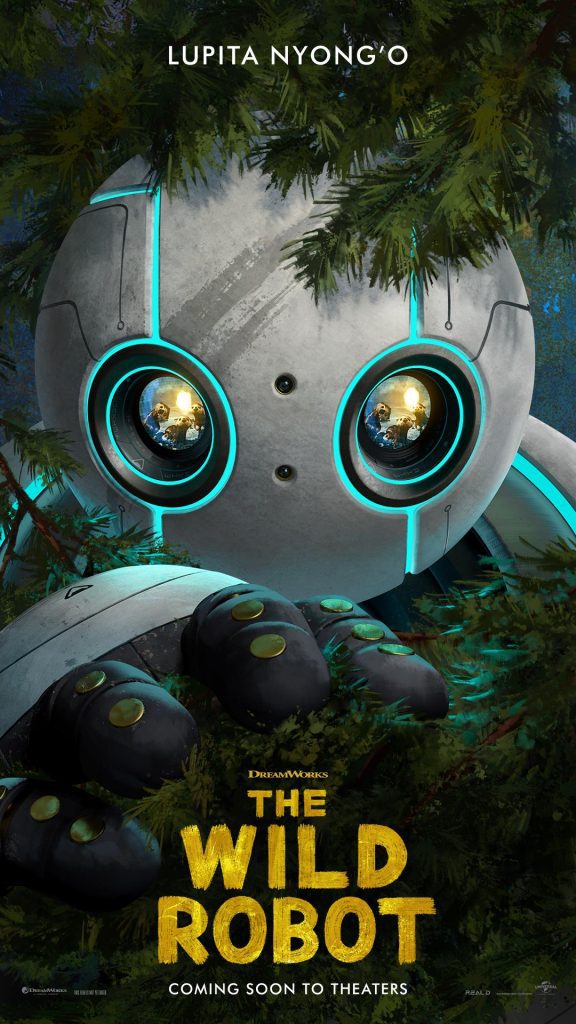
Kris Bowers, an Oscar-winning composer known for Green Book and Bridgerton, stepped into the world of animation for the first time with The Wild Robot (2024), delivering a soundtrack that’s as wild, tender, and innovative as the island setting itself. Released by Back Lot Music alongside the film, The Wild Robot (Original Motion Picture Soundtrack) has critics calling it one of 2024’s standout scores, with nominations piling up from the Golden Globes to the Academy Awards. From the synthetic hums representing Roz the robot to the organic percussion of the island’s creatures, Bowers’s music doesn’t just accompany the story—it drives it.
Article by FMT / 5-minute read
Master the art of film/video game music composition with everything you need to know about creating impactful scores. Complete Collection Study Pack (Enter 25FMT at the checkout for instant 25% off)

A Composer’s First Leap into Animation
Kris Bowers wasn’t a stranger to big projects when he signed on for The Wild Robot. His resume boasts heavy hitters like The Color Purple and Netflix’s Bridgerton, where his knack for blending classical and modern sounds shines. But animation? That was uncharted territory. In interviews with Variety, Bowers shared how the call came just months after his daughter’s birth, a timing that would shape his approach. Chris Sanders, the director, told him upfront: this film would lean heavily on music to carry its emotional weight. For Bowers, it was a chance to channel his own journey as a new parent into something universal.
The Brief: Organic Meets Synthetic
Sanders’s vision was clear—music that balanced the synthetic nature of Roz, voiced by Lupita Nyong’o, with the untamed wilderness of her island home. Bowers avoided cultural clichés like ethnic flutes, instead seeking a sound that felt timeless and placeless. Enter Sandbox Percussion, a quartet he discovered through composer Thomas Kotcheff. Their unconventional setup—tuned glass bottles, teacups, planks of wood—became the heartbeat of the island, layered over a full orchestra and subtle synths for Roz. As Bowers told NPR, this fusion let the score evolve alongside Roz, from cold programming to warm connection.
A Personal Touch
What sets The Wild Robot apart is how personal it felt for Bowers. He spent two years refining over 80 minutes of music, often reflecting on his daughter growing from a six-month-old to a toddler in the “terrible twos.” In a Hollywood Creative Alliance press conference, he admitted the film’s themes—parenthood, sacrifice, letting go—hit close to home. This emotional anchor turned the score into more than just accompaniment; it’s a window into Bowers’s soul, mirrored by Roz’s journey from machine to mother.
A Silent Story’s Voice
The Wild Robot starts with little dialogue, especially in its first 20 minutes. Roz crash-lands on an uninhabited island, unable to speak the animals’ language. Here, Bowers’s music steps in, dictating the mood and pacing. Think of classics like Tom and Jerry or Looney Tunes—cartoons Bowers loved as a kid—where music tells the story. Tracks like “Land and Sea” set the stage, blending wonder and isolation as Roz explores her new world. It’s a bold choice that pays off, making the score a narrator in its own right.
Emotional Peaks and Valleys
The film’s heart lies in Roz raising Brightbill, an orphaned gosling voiced by Kit Connor. Bowers’s music traces their bond, from playful highs to wrenching goodbyes. The migration scene, where Brightbill flies off with his flock, is a tearjerker, thanks to “I Could Use a Boost.” Sanders pushed Bowers to dig deeper, moving from a bright initial draft to a bittersweet masterpiece. Critics like Collider’s Shaina Weatherhead called the score a “character in itself,” amplifying the film’s emotional crescendos.

A Wild, Futuristic Sound
Beyond emotion, the score captures the island’s duality—wild yet futuristic. Sandbox Percussion’s quirky sounds evoke rustling leaves and snapping twigs, while synths hint at Roz’s robotic origins. Characters like Fink the fox (Pedro Pascal) get jazzy, sly themes, adding personality to the mix. It’s a soundscape that could fit a video game like Horizon Zero Dawn, where nature and tech collide, proving Bowers’s versatility.
“Kiss the Sky” (Maren Morris)
In the Film
Performed by Maren Morris, this original song plays as Brightbill soars with his flock, a triumphant moment of independence. Its uplifting lyrics and Bowers’s orchestral backing amplify the scene’s emotional weight, balancing pride with loss.
Trivia
Co-written by Morris and Bowers, this track was tailored for the film’s climax. Morris’s voice, paired with a grand orchestral swell, earned it a “heartwarming kick” nod from The Playlist.
“Even When I’m Not” (Maren Morris)
In the Film
This second Morris song closes the film, rolling over the credits as Roz makes her final choice—to leave the island for her friends’ safety. Its gentle melody and lyrics about enduring love tie the story’s themes together.
Trivia
Bowers called this a “tender farewell” in a Screensphere interview. It’s shorter than “Kiss the Sky” but packs an emotional punch, with Morris’s vocals harmonizing with a solo violin.
“Roz’s Story”
In the Film
As Roz decides to return to her factory, this track unfolds with a slow, reflective piano, building to a choir-backed climax. It underscores her sacrifice, leaving the island she’s come to love, and it’s a quiet, powerful goodbye.
Trivia
Bowers wrote this thinking of sacrifices made for him, per Wikipedia. The choir’s wordless vocals, used sparingly throughout, peak here to symbolize Roz’s newfound humanity.
Critical Praise and Awards
The score didn’t just win over audiences—it dazzled critics. AwardsWatch’s Kevin Lee compared it to Hans Zimmer’s epic works, while RogerEbert.com’s Brian Tallerico called it “propulsive.” By early 2025, it snagged nominations at the Golden Globes, BAFTAs, and Oscars, with many betting on Bowers’s first animated Oscar win. Its emotional depth and innovative sound design set a new bar for animation scores.
A Standalone Sensation
Beyond the film, the soundtrack lives on. Fans stream it on Spotify for its immersive quality—perfect for studying or daydreaming about wild adventures. The vinyl release by Waxwork Records, in “Roz-colored” hand-poured hues, sold out fast, echoing the collectible craze of game soundtracks like The Last of Us. It’s a rare score that works as well in your headphones as it does on screen.
For Kris Bowers, The Wild Robot marks a milestone. It’s his boldest work yet, blending his classical roots with a fresh, wild edge. As he told The Credits, the process taught him to trust his instincts, a lesson that’ll shape his next projects—be it more films or perhaps a video game score. With this soundtrack, he’s not just scored a movie; he’s crafted a legacy that’ll echo through animation history, one note at a time.
This post was brought to you in collaboration with our partner site Behind the Score. Discover the Harmony Secrets of Modern Film and Video Games.
Master the art of film music composition with everything you need to know about creating impactful scores. Complete Collection Study Pack (Enter 25FMT at the checkout for instant 25% off)